Delicious Gluten-Free Desserts for Every Occasion


Intro
The realm of desserts often dances on the line between indulgence and dietary constraints, particularly for those navigating the world of gluten-free eating. With the rising awareness of gluten intolerance and celiac disease, more people are in search of delicious alternatives that won’t compromise their health or enjoyment. This article serves as your roadmap into the rich variety of gluten-free desserts, perfect for gifting or simply adding a special touch to any celebration.
Understanding gluten-free baking goes beyond just swapping regular flour for gluten-free flours; it involves a delicate balance of flavors and textures that can elevate your dessert game. There’s a charm in creating something that not only looks appealing but also tastefully caters to a wider audience. We'll dive into several tasty options, key ingredients, and even some nifty presentation tips that will have your friends and family raving about your creations.
Why Gluten-Free?
Many are shifting towards gluten-free diets for various reasons. Some might be craving a healthier lifestyle, while others are responding to necessary dietary restrictions imposed by medical conditions. Regardless of the motivation, opting for gluten-free treats doesn’t mean sacrificing flavor or creativity in your dessert-making. In this journey, we’ll highlight both time-honored classics and modern innovations that stand out in the gluten-free landscape. Each recipe is accompanied by thoughtful tips on sourcing ingredients and adapting them for optimum results, ensuring your efforts yield delectable results every time.
As we progress through this guide, get ready to discover recipes that range from comforting chocolate chip cookies to dazzling fruit tarts that can steal the show at any gathering. It’s all about making memories, one sweet bite at a time.
"Cooking for others is a way of sharing love; add a dash of creativity and your gluten-free desserts can sparkle with joy!"
Let’s embark on this delicious adventure together!
Preamble to Gluten-Free Desserts
The world of gluten-free desserts has gained significant momentum over recent years, as awareness grows regarding gluten sensitivity and celiac disease. For many, indulging in sweet treats often comes with the discomfort or health risks associated with gluten consumption. Thus, understanding gluten-free options is not just a trend but a necessity for a substantial segment of the population. The necessity to explore gluten-free desserts goes beyond health; it allows for creativity in the kitchen, encourages inclusivity at gatherings, and broadens the culinary horizons for food enthusiasts.
In this article, we will delve into the various aspects of gluten-free desserts, laying out a roadmap for making delightful goodies without the inclusion of gluten. By uncovering key ingredients and innovative techniques, readers can navigate the landscape of gluten-free baking with ease. The benefits are manifold: gluten-free desserts can be just as rich and satisfying as traditional ones, opening up new avenues for flavor and texture.
Understanding Gluten Sensitivity
Gluten sensitivity, varying in severity among individuals, affects how the body reacts to proteins found in wheat, rye, and barley. For those diagnosed with celiac disease, even a crumb of gluten can trigger a severe autoimmune response leading to long-term damage to the intestinal lining. In contrast, non-celiac gluten sensitivity may lead to symptoms such as bloating, fatigue, or headaches without the autoimmune response. Recognizing these distinctions is critical when discussing dietary choices.
A gluten-free diet often requires more than just avoiding specific grains. It challenges the assumption that baked goods must always contain wheat flour. By addressing gluten sensitivity through dietary changes, individuals can reclaim their relationship with food — savoring sweet moments that were once fraught with concern.
The Rise of Gluten-Free Baking
The rise of gluten-free baking is not just a response to health concerns but also a celebration of culinary innovation. In the past, gluten-free products had a reputation for being dry or tasteless, but advancements in the art of baking have revolutionized this stereotype. Today, gluten-free baking incorporates a variety of flours such as almond, coconut, and tapioca, each adding unique flavors and textures.
Rather than viewing gluten-free baking as a limitation, it can be seen as a canvas for creativity. Home bakers and professional chefs alike are experimenting with unconventional ingredients, trying their hands at intriguing flavor combinations and techniques. Recipes once structured around wheat can now flourish through the utilization of alternative grains and binding agents like flaxseed meal or chia seeds.
"Ever since I switched to gluten-free baking, I've discovered a world of flavors and textures that I would’ve missed otherwise. It’s like a culinary adventure every time!"
As gluten-free desserts continue to gain popularity, awareness around food intolerances drives consumers to explore these delicious alternatives. This inspires both seasoned bakers and novices to push boundaries, making gluten-free desserts more accessible and enjoyable for everyone.
Key Ingredients for Gluten-Free Desserts
Understanding the right ingredients is paramount when it comes to gluten-free baking. The selection of key components not only affects the texture and flavor of desserts but also influences their nutritional value. Gluten-free desserts can often fall flat if the wrong elements are chosen, leading to disappointing outcomes. Therefore, familiarizing oneself with various gluten-free alternatives is essential to achieving delightful results that could rival traditional baked goods.
Gluten-Free Flours
The foundation of any good dessert often lies in its flour base. When baking gluten-free, it’s crucial to pick flours that not only substitute well for wheat flour but also bring their unique flavor and texture to the table.
Almond Flour
Almond flour is made from finely ground almonds, which lend a rich, nutty flavor to various desserts. This flour is a popular choice because it’s gluten-free and low in carbs, making it suitable for those watching their sugar intake. It has a high fat content which keeps baked goods moist, setting a rich mouthfeel that many find appealing. However, it can be a tricky ingredient; too much can make desserts overly dense.
Coconut Flour
Coconut flour is another star in the gluten-free flour arena. This flour absorbs more liquid than other gluten-free options, which means recipes typically need a modified ratio of wet ingredients to keep the final product from becoming too dry. Its subtle sweetness and unique aroma can enhance flavors, especially in tropical-themed desserts. On the downside, finding just the right amount can be a challenge, as too much coconut flour leads to a crumbly texture.
Brown Rice Flour
Brown rice flour brings a whole-grain essence to baked goods. It has a mild flavor, making it a versatile choice. It provides a slightly gritty texture which can be ideal in recipes for rustic cakes or pancakes. Many bakers appreciate its nutritional profile—it is high in fiber and nutrients. However, as a straight replacement for traditional flour, it might result in a denser dessert if not combined with other flours for a balanced texture.
Sugars and Sweeteners
Sweeteners play a vital role, often acting as a bridge between flavors. Choosing the right type can significantly impact both the taste and texture of the final dessert.
Coconut Sugar
Coconut sugar is produced from the sap of the coconut tree, offering a caramel-like flavor, which works wonders in chocolate-based desserts. Its lower glycemic index makes it a favored option for those keen on managing blood sugar levels. It retains some nutrients found in coconuts; however, it may not dissolve as readily as white sugar, which can alter the texture in some recipes.
Maple Syrup
Maple syrup is another natural sweetener that carries a distinct flavor profile. It's ideal for pancakes and baked goods alike, imparting that quintessential maple taste. Since it’s liquid, it adds moisture but may require adjustments to the portion of other liquids in the recipe. Additionally, it comes packed with minerals and antioxidants, adding some health benefits, but it can be pricey, which some find a drawback.


Stevia
Stevia, derived from the leaves of the Stevia plant, is known for being incredibly sweet without the calories of sugar. This makes it a sought-after alternative for many who are calorie-conscious. While its sweetening power is impressive, it can sometimes leave a bitter aftertaste, especially in large quantities. Knowing how to balance it in recipes is crucial for effective gluten-free baking.
Binding Agents
In gluten-free desserts, since there’s no gluten to provide structure, binding agents step in to hold everything together.
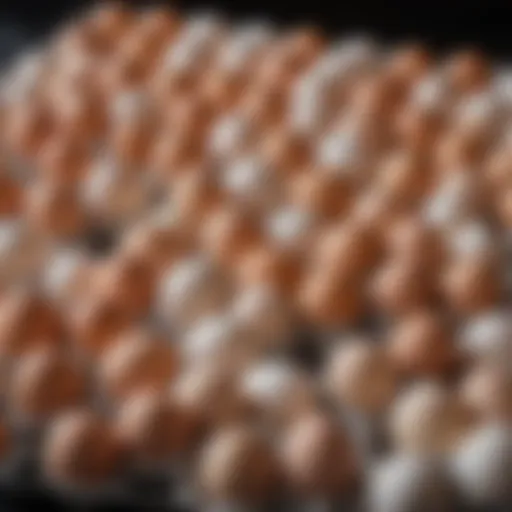
Eggs
Eggs serve as a natural binder while also adding richness. They contribute to moisture and enhance flavors, making them a popular choice in many gluten-free recipes. The unique structure of eggs can help achieve a fluffier product, crucial for cakes and cookies. However, some strict diets may require an egg replacement, so it’s worth noting alternatives like flaxseed meal or chia seeds.
Flaxseed Meal
When ground flaxseed is mixed with water, it creates a gel-like substance that acts similarly to eggs, making it a favorite among vegans. It adds a nutty flavor and is high in omega-3 fatty acids, which boosts the nutritional value of baked desserts. Nevertheless, using it may alter the flavor slightly and can contribute to a denser texture if not paired well with other ingredients.
Chia Seeds
Chia seeds, like flax, swell when soaked in liquid, creating a gelatinous texture that serves as an excellent binder. They add a subtle crunch and are rich in fiber and protein, making desserts more filling. However, excessive use can lead to overly gelatinous desserts, so it's important to find the right balance in recipes.
"But the right balance of ingredients is key, ensuring that gluten-free desserts not only satisfy dietary needs but also please the palate."
Classic Gluten-Free Dessert Recipes
Classic gluten-free desserts hold a special place in the realm of baking. They not only cater to those who require gluten-free options for health reasons, but also tempt the taste buds of all dessert lovers. The importance of this section lies in the timeless recipes that have stood the test of time while accommodating various dietary needs. These desserts often use familiar ingredients yet deliver a delightful experience that rivals their traditional counterparts.
The benefits of classic gluten-free dessert recipes are plentiful. For one, they allow people with gluten sensitivities to enjoy sweet treats without feeling left out at gatherings. Additionally, many of these traditional recipes can be adapted easily, promoting creativity in the kitchen and inviting experimentation. With that in mind, let’s delve into some delicious options that continue to captivate palates around the world.
Flourless Chocolate Cake
Flourless chocolate cake is a star attraction in the world of gluten-free desserts. This delectable treat features rich, velvety chocolate that melts in your mouth, offering sheer indulgence without the need for flour. The texture is often dense and fudgy, which appeals to chocolate lovers searching for a fix.
Preparing this cake is quite simple: just combine quality chocolate, butter, sugar, eggs, and a pinch of salt. As it bakes, the cake rises and forms a soft, crinkly crust while staying gooey and luscious within. Not only does it satisfy the craving for something sweet, its simplicity makes it a go-to for unexpected guests.
Many bakers appreciate that flourless chocolate cakes can be dressed up easily with a dusting of powdered sugar or a drizzle of raspberry sauce, enhancing their visual appeal without complicating the process. Truly, this dessert exemplifies the elegance that can be achieved in gluten-free baking.
Pavlova with Fresh Fruits
Pavlova stands as a beacon of both beauty and flavor in gluten-free confections. Named after the Russian ballerina Anna Pavlova, this dessert showcases a delicate meringue crust that is crispy on the outside and marshmallow-like inside. It’s a canvas for fresh fruits and whipped cream, making it a refreshing choice, especially in warmer months.
The appeal of pavlova extends beyond its delightful taste. It can be easily personalized to match seasonal fruits or special occasions. Whether topped with strawberries, passion fruit, or kiwi, pavlova enchants and satisfies. With its light and airy structure, it allows for a beautiful balance against the sweetness of the toppings while remaining entirely gluten-free.
Rice Pudding Variations
Rice pudding serves as a comforting, classic dessert that embraces diversity in its preparation. Gluten-free by nature, it offers a creamy, indulgent experience perfect for any gathering. Variations of rice pudding can showcase different flavors and ingredients that cater to various preferences.
Cinnamon Spiced Rice Pudding
Cinnamon spiced rice pudding takes the traditional concept and elevates it with the warm, aromatic notes of cinnamon. The subtle spice enhances the creaminess of the pudding, making each spoonful a cozy, delightful experience. The creamy texture and warm flavor create an inviting sensation ideal for cold days or family gatherings.
A key characteristic of cinnamon spiced rice pudding is its ease of preparation. Just simmer rice with milk, sugar, and a hint of cinnamon until creamy, then let it cool to set. It’s a dessert that also brings nostalgia, reminiscent of home-cooked comfort food. The uniqueness of the cinnamon flavor infuses a sense of warmth, making this pudding a popular choice among those looking for a satisfying end to their meal.
Coconut Milk Rice Pudding
Coconut milk rice pudding offers an exotic twist on the classic dish, appealing to those who appreciate tropical flavors. The use of coconut milk lends a creamy texture and rich flavor, while the subtle sweetness transforms the ordinary into something extraordinary.
The benefit of coconut milk rice pudding is its appeal to both gluten-free and dairy-free audiences. For those avoiding dairy, coconut milk serves as a rich alternative that doesn’t compromise on taste. Generally, the pudding can be prepared in a similar manner—just simmer rice in coconut milk, add sugar, and let it simmer until the desired consistency is achieved.
This variation decorates beautifully with toasted coconut or hints of fruit and spices, showcasing its versatility. The combination of textures and flavors in coconut milk rice pudding makes it not only an innovative gluten-free dessert, but also a statement of culinary creativity.
"Classic gluten-free desserts not only cater to dietary needs but also embrace the joy of baking and sharing with loved ones."
Innovative Gluten-Free Dessert Ideas
Exploring innovative gluten-free dessert ideas is vital in today's culinary world as it opens up a new dimension for those who crave sweet indulgences without the drawbacks of gluten. With creativity being the name of the game, innovative desserts not only satisfy dietary restrictions but also elevate the experience of enjoying treats through their unique flavors and presentations. This section digs into two interesting categories: raw vegan desserts and gluten-free ice cream alternatives. Both categories highlight how the right combinations of ingredients can create mouthwatering options that cater to varied tastes and preferences.
Raw Vegan Desserts
Raw vegan desserts are gaining traction in the gluten-free landscape because they emphasize natural ingredients, allowing the flavors to shine without the need for refinement processes like baking. This focus on whole foods presents a fresh approach to dessert-making. Most raw vegan desserts are free from processed sugars and dairy, appealing not just to vegans but also to those who care about wholesome eating.
Raw Chocolate Truffles


When discussing raw chocolate truffles, we tap into an indulgent treat that packs a punch without the guilt. These truffles are primarily made from dates, nuts, and raw cacao, making them a delicious option for anyone looking to satisfy their chocolate cravings. The key characteristic of raw chocolate truffles is their rich, intense flavor that leaves one astounded by how something so simple can taste divine.
What makes these truffles popular is their adaptability. You can customize them with a pinch of sea salt, a splash of vanilla, or a sprinkle of coconut flakes for added flair. However, it's important to note that while they are dense with nutrients, these bites can be quite calorically rich. Thus, moderation is advisable, but this makes them a beneficial choice for satisfying those late-night sweet tooth cravings.
Nut-Based Cheesecakes
Nut-based cheesecakes emerge as a decadent choice that gives the classic dessert a twist. Using cashews or almonds as a base, these cheesecakes require no baking and have a creamy texture that can compete with traditional versions. The absence of gluten here shifts the focus more towards the heartiness of the nuts, offering a fulfilling indulgence without the aftereffects of gluten.
The unique feature of nut-based cheesecakes is their versatility; flavor variations can range from classic vanilla to rich chocolate or even fruity options like lemon or berry. A challenge, however, lies in achieving the right consistency, as some may find that achieving a perfectly creamy texture demands a bit of practice. Nonetheless, they provide a guilt-free way to indulge in dessert, making them a popular pick among health enthusiasts.
Gluten-Free Ice Cream Alternatives
As the heat rises, so does the demand for ice cream alternatives, especially ones that are gluten-free. These alternatives allow for refreshing and satisfying treats that cater to various dietary constraints, ensuring everyone can partake in a summer favorite without worry.
Banana Nice Cream
Banana nice cream showcases simplicity at its best. Just freeze ripe bananas and blend them into a smooth, creamy delight. This whole food alternative to traditional ice cream is naturally sweet, making it a crowd-pleaser among both children and adults. It's an excellent way to sneak in some fruit while indulging in a treat. The key characteristic that makes banana nice cream shine is its effortless preparation—just peel, freeze, and blend.
While the texture may differ slightly from dairy ice cream, this healthy alternative is easily customizeable with various mix-ins such as cocoa powder or nut butter, making it an appealing option not just for those needing a gluten-free diet but also for anyone seeking a nutritious dessert. However, it's worth noting that overripe bananas may lend a different flavor profile, which some might find off-putting.
Coconut Cream Popsicles
Coconut cream popsicles bring a tropical flair to the dessert table. Utilizing coconut cream as the base, these popsicles provide a creamy texture that is both refreshing and indulgent. They're perfect for summer gatherings or any time of the year. The key characteristic of these treats is their coconut flavor, which transports you to a beach getaway with each bite.
What sets these popsicles apart is their versatility—infuse with fruits like mango or berries for extra zing. However, a potential downside could be that coconut cream can be quite rich, so it's important to balance flavors accordingly. They make for an exciting choice, as they satisfy both a desire for sweetness and a cool respite during warmer days, allowing dessert lovers to enjoy the sunny moments without gluten complications.
Making Desserts Gift-Worthy
Creating gluten-free desserts that are not only delicious but also visually appealing is essential when gifting. The importance lies in the effort put into presentation and personal touches which elevate the ordinary into the extraordinary. A gluten-free dessert can be enjoyed by anyone, so making them gift-worthy means ensuring that every bite, and every glance adds to the experience. The key is to consider aesthetics, tailor your approach to the recipient, and highlight the personal connection you have with them.
Presentation Techniques
Layered Jars
Layered jars are gaining ground as a trendy presentation choice for desserts. Their clear walls allow the vibrant colors of ingredients to shine through, creating a feast for the eyes before the taste buds even get involved. This method enables easy layering of textures, ranging from creamy puddings to crumbly bases and fresh fruits. It's an engaging way to showcase the components of your dessert.
What makes layered jars particularly appealing is their portability; they can be sealed and shipped, allowing for long-distance gifting without compromising quality. Additionally, jars are reusable, which is a nod to sustainability. One potential downside might be that not every dessert shines in a jar; some might lose their texture or charm when confined to a glass. However, with careful selection of recipes, you can ensure that the overall experience remains intact.
Decorative Wraps
When it comes to giving desserts a personal touch, decorative wraps play a significant role. From simple twine to vibrant, themed fabrics, the wrap can add a whole new layer of character to your gift. It emphasizes attentiveness and creativity, as it’s not just about placing something in a box and calling it a day.
When applying wraps, consider the key characteristic of flexibility – you can adapt the materials based on the holiday or season. Choosing eco-friendly or homemade wrappers can resonate well with a conscious audience. However, some wraps could obscure the visual appeal of the dessert itself, so it’s important to strike the right balance - wrapping it well, while keeping it presentable.
Personal Touches in Gifting
Personalized Notes
A personalized note is not just an accessory; it's a bridge that connects the giver and the receiver. When writing a personalized note, you add depth to your gift, transforming a simple dessert into a heartfelt gesture. This characteristic of a handwritten note brings warmth and sincerity that a generic card could not.
Sharing a thought, a memory, or a compliment enhances the emotional impact and makes your gesture memorable. One must be cautious, though, including anything too lengthy might get lost in the overall presentation. A well-crafted note, succinct but thoughtful, can turn a mere treat into a cherished keepsake.
Seasonal Themes
Embracing seasonal themes in your gifting adds a layer of relevance and timeliness to your desserts. For instance, pumpkin spice treats during autumn or berry-laden delights in summer resonate particularly well with their respective seasons. This characteristic enhances the idea of freshness and alignment with current tastes.
The unique feature of seasonal themes is that they evoke nostalgic feelings and memories associated with specific times of the year, which can create a deeper emotional connection. However, it's crucial to ensure that the desserts themselves are in line with the flavor profiles of the chosen season, as forcing a theme might disappoint. Ultimately, utilizing seasonal themes can enliven your gifting, ensuring it's not just a treat but an experience freshly intertwined with the essence of the time.
Pairing Gluten-Free Desserts
Pairing gluten-free desserts with the right beverages or flavors adds an enriching layer to the overall experience. It’s about striking a balance that enhances both the food and drink, creating a symphony on the palate. Whether you are a novice baker or a culinary wizard, knowing how to pair your gluten-free creations can elevate a simple treat into an unforgettable moment. Consider the textures, flavors, and even the presentations as you navigate through this often-underrated aspect of dessert-making.
Beverage Complementation
Coffee Pairings
Coffee pairs beautifully with many desserts, bringing together the bitterness of the brew and the sweetness of the treat. For instance, a classic flourless chocolate cake often meshes well with a richly brewed espresso. The contrast between the intense coffee and the fudgy texture of the cake adds complexity. A key characteristic of coffee in these instances is its ability to cleanse the palate, ensuring that each bite of dessert feels fresh and exhilarating.
Notably, dark roasts shine when accompanied by chocolatey desserts, whereas lighter roasts can enhance desserts with fruity notes, perhaps a pavlova topped with fresh berries. This versatility makes coffee a popular choice for those wanting to enjoy gluten-free desserts at any time of day. However, one downside is that not everyone enjoys coffee, which might limit your audience when serving a group. Still, for coffee lovers, the combination can turn a simple dessert into a heavenly experience.


Tea Selections
Tea, on the other hand, presents a different personality. It offers a myriad of flavors and aromas that can cater to a broader taste palette. Imagine enjoying a slice of almond flour cake with a delicate jasmine tea. The light floral notes of the tea can brighten the nutty flavors of the dessert. A significant advantage of pairing tea with gluten-free desserts is its soothing qualities, making it approachable for a wider audience, including those who may not be fans of coffee.
Rather than overshadowing the dessert, tea often complements it without competing for attention. However, the challenge here can lie in selecting the right tea that matches the dessert's profile. A misstep might lead to clashing flavors, dampening the overall experience. Still, for those willing to explore, tea can unlock a treasure trove of tasting possibilities.
Flavor Enhancements
Fruit Compotes
Fruit compotes are a superb way to enhance gluten-free desserts. These cooked mixtures of fruits and sweeteners not only add moisture to cakes but also introduce vibrant flavors. For instance, a dollop of berry compote atop a gluten-free cheesecake can provide an exciting counterpoint to the creamy texture and rich taste. The sweet-tart nature of fruits like raspberries or blueberries offers contrast and can elevate the dish from mundane to exceptional.
What makes fruit compotes attractive is their versatility. They can accompany a variety of desserts—from pastries to puddings. However, the balance of sweetness is crucial; too much sugar can mask the natural fruit flavors. Making compotes from seasonal fruits ensures the freshness and quality of the final dish, yet timing and preparation must be taken into account when available fruits are limited.
Syrups and Sauces
Syrups and sauces serve as another essential component in the world of gluten-free desserts. A well-made caramel sauce can turn a simple scoop of coconut milk ice cream into a luxurious treat. The key characteristic of syrups is their ability to add richness and depth, transforming even the most basic flavors into something remarkable. For instance, drizzling maple syrup over pancakes or waffles can enhance their natural sweetness while adding a nostalgic quality to the meal.
However, one has to be mindful of sweetness levels. Some desserts, especially those already rich in flavor, might not need an added layer of syrup, which could overwhelm the palate. Yet, when used judiciously, syrups and sauces can elevate the overall dining experience, providing moments of discovery with every bite.
Storing and Transporting Desserts
When it comes to gluten-free desserts, the effort put into creating a delicious treat can easily be undermined by poor storage and transportation methods. Whether it’s a family gathering, a picnic, or a special event, understanding the best ways to store and transport these delicate sweets is invaluable. Proper techniques not only ensure freshness but also enhance presentation, making a good impression on those you wish to impress. Let’s take a closer look at some key considerations in this area.
Optimal Storage Conditions
Storing gluten-free desserts requires specific attention to detail, as these kinds of treats can behave differently than their gluten-containing counterparts. Proper storage is based around two main principles: maintaining moisture levels and temperature control.
- Humidity: Too much moisture can lead to sogginess, especially in cakes, while too little will dry them out. Storing desserts in airtight containers can alleviate these issues.
- Temperature: Different desserts have different ideal storage temperatures. For example, pavlovas benefit from being stored in a cool place; they tend to lose their crispness if left in a humid environment.
Ultimately, understanding these aspects can preserve not just the taste but also the texture of your desserts, making sure they remain appealing.
Transporting Safely
To transport gluten-free desserts without mishaps, a little forethought can go a long way. Here, we will touch on two essential methods: the use of containers and cooling techniques.
Use of Containers
Choosing the right container is crucial when transporting gluten-free desserts. A solid container can mean the difference between reaching your destination with a masterpiece or a crumbled mess.
- Key Characteristic: Sturdy plastic or glass containers with lids help maintain structure. They provide a barrier against external elements, keeping frosting and toppings safe from accidental smudges.
- Benefits: A beneficial aspect of these containers is their ability to preserve temperature, whether hot or cold. This can be a game-changer, especially during warmer months when a cake melted in transit can lead to disappointment.
On the flip side, ensure that containers are also easy to clean. After all, no one wants to haul home a mess along with their dessert.
Cooling Techniques
Cooling techniques refer to the practices used to bring desserts to the right temperature before transportation.
- Key Characteristic: Adequate cooling prevents temperature shock, which might cause a delicate dessert to lose its intended flavor and texture.
- Beneficial Aspects: By allowing your desserts to cool completely, you can prevent condensation from forming inside the container during travel, ensuring they arrive in the best possible condition.
One downside to cooling is time. Depending on the dessert, it may take a while to reach the desired temperature, but patience is key. Taking the time to cool properly will pay off.
Following these simple yet effective techniques can make all the difference in ensuring your gluten-free desserts are as delightful in transport as they are at home.
Storing and transporting gluten-free desserts calls for careful consideration, but the rewards are well worth the extra effort. The right methods ensure that these creations not only taste fantastic but look impressive as well, contributing to a memorable occasion.
End and Final Thoughts
When considering the world of gluten-free desserts, it's crucial to grasp how diverse and adaptable these treats can genuinely be. Not everyone understands that gluten-free isn’t just a dietary restriction; it allows more exploration into flavors and textures that usually get swept under the rug. The importance of this realm is evident not just in satisfying dietary needs but also in the enjoyment and creativity it fosters in our baking endeavors.
Embracing Variety in Gluten-Free Baking
To embrace variety in gluten-free baking means inviting a cornucopia of ingredients into your kitchen. With options like almond flour, coconut flour, or even the lesser-known sorghum flour, bakers can weave a rich tapestry of flavors and health benefits into their goodies. The discovery of how different flours perform can be an adventure all on its own. For instance:
- Almond Flour adds a nutty flavor, great for cookies and cakes.
- Coconut Flour absorbs moisture and gives a delightful texture to muffins.
- Sorghum Flour is excellent for bread and provides a sweet, mild flavor.
This diversity opens doors to dishes that not only cater to dietary restrictions but also delight the palate. Plus, mixing textures can bring a delightful surprise in every bite, making each dessert a memorable one.
Encouragement for Experimentation
Encouraging readers to experiment with gluten-free recipes can transform mundane baking into creative escapades. Baking gluten-free doesn’t mean sticking to the same old recipes; in fact, it offers a blank slate for culinary creativity. Try swapping traditional ingredients with gluten-free alternatives or even mixing and matching various recipe foundations. The thrill can be found in the adaptation itself—perhaps using chia seeds as an egg replacement or creating a new spin on a classic dish.
Making a dessert uniquely your own can sometimes mean breaking a few rules. Missteps can lead to brilliant surprises. Maybe a failed cookie experiment gives birth to an unexpected cake with a unique flavor profile—those moments are where the magic happens!
By turning your kitchen into a laboratory, you’ll not only refine your baking skills but also gain confidence in your abilities. Encourage your friends and family to join in on the adventure, too; after all, there’s nothing quite like sharing the fruits of your labor, especially when there’s a story behind the creation.
Remember, every experiment in gluten-free baking is a step towards mastery and greater culinary knowledge. It’s all about the journey.