Creative Uses for Baked Sweet Potatoes in Cooking
Intro
Baked sweet potatoes have been winking at home cooks for ages, with their vibrant hue and delightful sweetness. They are like that dependable friend who always shows up and brings something good to the table, literally and figuratively. This article is all about diving into the culinary world where baked sweet potatoes shine, proving themselves to be incredibly versatile, be it in savory dishes or tasty desserts.
Sweet potatoes, with their rich flavor and nutritious profile, can transform an ordinary meal into something special. This guide will unfold various recipes, cooking techniques, and creative ideas, ensuring that culinary enthusiasts of all skill levels can make the most of this humble tuber. So, if you’re looking to expand your cooking horizons or simply want new ideas for dinner, you’ve come to the right place!
Baked sweet potatoes are not just a side dish; they are a canvas for culinary creativity.
From the fundamentals of preparation to the complex layers of flavor, each section builds a deeper understanding of what baked sweet potatoes can do in the kitchen.
Prelude to Baked Sweet Potatoes
Baked sweet potatoes are more than just a comforting side dish; they serve as a versatile base for a plethora of recipes ranging from hearty meals to tantalizing desserts. As culinary explorers venture beyond traditional ingredients, sweet potatoes have emerged as a star player with a unique profile that is both nutritious and adaptable. This section aims to illuminate the importance of baked sweet potatoes in today's cooking landscape, exploring their nutritional advantages and culinary significance in various cultural contexts.
Nutritional Profile
Sweet potatoes, classified under the morning glory family, are not only vibrant in color but also packed with nutrients. A medium-sized baked sweet potato contains about 112 calories, negligible fat, and is rich in fiber, making it an excellent choice for those looking to maintain a healthy diet.
In terms of vitamins, they're a powerhouse of beta-carotene, which the body converts into vitamin A, important for maintaining good vision and skin health. Additionally, sweet potatoes offer a good dose of vitamin C, potassium, and manganese.
Did you know? One sweet potato contains more than 400% of the daily recommended intake of vitamin A for adults.
Here's a quick breakdown of their nutritional benefits:
- High in fiber: Aids in digestion and promotes a feeling of fullness.
- Rich in antioxidants: Helps combat oxidative stress in the body, potentially reducing inflammation.
- Low calorie: A great option for weight management.
- Natural sugars: Provides a sweet flavor without the crash associated with refined sugars.
Culinary Significance
Baked sweet potatoes hold a notable place in various cuisines around the world, and their ability to absorb flavors makes them a beloved staple across different culinary traditions. In the Southern United States, sweet potatoes are often featured in festive dishes, reflecting their cultural significance during holidays like Thanksgiving. In contrast, they also find a place in more modern culinary contexts, being used in everything from vegan bowls to gourmet desserts.
Their natural sweetness pairs beautifully with both savory and sweet ingredients, making them remarkably flexible in recipe creation. Whether being combined with herbs like rosemary or spices such as cinnamon, they can easily adapt to various flavor profiles. Chefs are increasingly looking for ways to incorporate baked sweet potatoes into both traditional and avant-garde dishes to enhance nutritional content without compromising on taste.
In summary, baked sweet potatoes not only add depth and nutrients to meals but also weave into the narrative of global cuisine, showcasing their importance in everyday cooking as well as festive gatherings.
Preparation Techniques for Baked Sweet Potatoes
When it comes to baked sweet potatoes, the method by which they are prepared can make all the difference. Mastering preparation techniques not only ensures better flavor and texture but also highlights the sweet potato’s inherent versatility. Whether you're sliding a tray into the oven or experimenting with flavors, getting the basics down is key. Understanding the importance of choosing the right sweet potato, refining the baking process, and enhancing flavor will transform this humble vegetable into a star of the dish.
Choosing the Right Sweet Potato
The sweet potato comes in a few varieties, each offering distinct characteristics. While most are familiar with the vibrant orange-fleshed varieties, there are others worth noting, including the white-fleshed and purple-fleshed types. When selecting sweet potatoes, prioritize those that feel firm and heavy for their size, free of soft spots or blemishes. The skin should be smooth, offering a hint of shine. Remember, the right choice here will lend itself to a better final product, and it never hurts to experiment a little.
- Orange-fleshed Sweet Potatoes: These are common in North America and provide a sweeter taste once baked, making them great for both savory and sweet preparations.
- White-fleshed Sweet Potatoes: Their taste is milder and can blend well when incorporated into savory dishes like soups or casseroles.
- Purple-fleshed Sweet Potatoes: Slightly sweeter with a unique aesthetic, they're a great choice for those wanting a departure from the ordinary.
Baking Process
The baking process is straightforward but easy to overlook. Here’s how to go about it:
- Preparation: Preheat your oven to around 400°F (200°C). Wash the sweet potatoes well under running water, scrubbing away any dirt. Pat them dry, and if you like, poke a few holes in the skin with a fork. This step prevents steam from building up during baking.
- Wrap or Not: You can opt to wrap each potato in aluminum foil or place them directly on the oven rack. Wrapping will keep them moister while baking, while unwrapped allows for a better caramelization of sugars on the skin.
- Baking Duration: Generally, sweet potatoes require baking for 45 minutes to 1 hour. The time depends on their size; larger potatoes might take a bit longer. It’s best to assess doneness by inserting a fork; if it glides in easily, you're set.
Enhancing Flavor
You don’t have to stop at simply baking them. There are numerous ways to jazz up baked sweet potatoes:
- Oil and Sea Salt: Brushing a bit of olive oil or melted butter on the skin before baking adds richness. A sprinkle of sea salt offers a tantalizing contrast to the sweet flesh.
- Spices: Consider exploring spices like paprika or cumin for a smoky touch for savory dishes. If you’re leaning toward sweetness, cinnamon or nutmeg can amplify that natural sweetness, turning your dish into a delightful treat.
- Toppings: Once baked, the realm of toppings is virtually limitless. Think feta cheese and herbs for a savory mix, or yogurt and maple syrup for sweetness. The incorporation of nuts, like pecans or walnuts, adds a crunchy texture that elevates the dish.
"A simple baked sweet potato has the potential to be a blank canvas for creativity, limited only by your imagination."


In mastering these preparation techniques for baked sweet potatoes, you're not just cooking. You're embarking on a culinary adventure that welcomes your unique flavors and ideas. The results? A well-rounded dish that showcases sweet potatoes as they deserve to be—savory, sweet, and utterly satisfying.
Savory Baked Sweet Potato Recipes
When you dive into the realm of savory baked sweet potato recipes, you are not just exploring flavors, but engaging in a celebration of textures and nutritional depth. Savory dishes offer a rich contrast to the innate sweetness of the potato, allowing for a culinary balance that serves well in various meals, from brunch to dinner. Utilizing baked sweet potatoes in savory applications not only enhances their natural characteristics but also introduces an array of flavors by pairing them with proteins, vegetables, and spices. These recipes are particularly useful for home cooks looking for versatile meals that can suit different dietary preferences and elevate everyday dining experiences.
Stuffed Sweet Potatoes
Protein Options
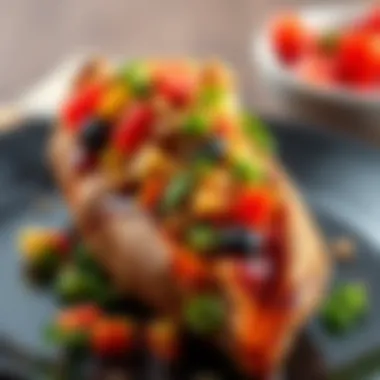
When discussing protein options for stuffed sweet potatoes, it’s essential to recognize their role in making a meal hearty and fulfilling. Proteins can offer a satisfying heft to the dish, balancing the sweetness of the potato. Popular choices include canned black beans for a creamy texture, shredded chicken for those craving meatiness, or even quinoa for a plant-based option. Each of these proteins not only adds nutritional benefits—like fiber from the beans and a complete amino acid profile from quinoa—but they also contribute distinct flavors that marry well with the sweet potato.
However, while incorporating proteins, one must consider the flavor balance. The richness of some proteins can overshadow the delicate sweetness of the potato. Hence, a light seasoning and complementary spices are crucial to showcasing all ingredients without letting one dominate the show.
Vegetarian Variations
Vegetarian variations on stuffed sweet potatoes open a realm of creativity in the kitchen. Whether it's incorporating sautéed spinach, feta cheese, or roasted red peppers, these options create vibrant, flavorful dishes. The beauty of a vegetarian approach lies in its flexibility; it allows for a celebration of seasonal vegetables, helping to keep meals fresh and diverse.
One major advantage of vegetarian variations is their accessibility. They often require fewer ingredients and simpler preparation, making them ideal for busy evenings. However, the potential downside can be a lack of protein punch. To counteract this, adding legumes or seeds can ensure nutritional adequacy while maintaining an appealing flavor profile.
Toppings and Garnishes
The choice of toppings and garnishes can elevate stuffed sweet potatoes from good to unforgettable. Common options like crumbled goat cheese, spicy sour cream, or fresh herbs add layers of flavor and texture that create an inviting presentation. Toppings can also introduce contrasting temperatures; warm stuffed potatoes topped with cool yogurt or fresh herbs create a delightful bite.
A noteworthy feature of using varied toppings is their ability to adapt to different cuisines. For instance, a drizzle of tahini offers a Middle Eastern twist, while a dollop of avocado crema leans towards a more Mexican flavor. However, the variety of toppings can lead to a questionable balance of flavors if too many are used. A careful selection focused on enhancing the main components of the dish is often advised.
Savory Sweet Potato Hash
Ingredient Selection
Selecting ingredients for savory sweet potato hash is fundamental to achieving a harmonious dish. The interplay of sweet potatoes with other ingredients creates a medley of textures and flavors that can be both comforting and exciting. Popular inclusions are bell peppers, onions, and hearty greens like kale, which can enhance both nutrition and aesthetics. By including proteins such as bacon or eggs, you can add a satisfying crunch or richness that complements the soft texture of the potatoes.
An important characteristic of ingredient selection is the seasonality of produce used. For example, using fresh, local vegetables can not only support the community but also add layers of flavor that are typically absent in out-of-season produce. However, it’s crucial to consider the cooking times and textures since all ingredients don’t cook at the same rate. Planning the cooking sequence can make a world of difference for the final outcome.
Cooking Method
The cooking method for savory sweet potato hash plays a pivotal role in flavor development. Sautéing the sweet potatoes provides the opportunity to develop a crispy exterior while maintaining a tender inside. Using a cast-iron skillet often promotes an even sear and aids in flavor depth through caramelization.
The simplicity of the cooking method is often what makes a dish approachable for home cooks. Just a bit of oil, heat, and a bit of patience, and you're on your way to a savory delight. However, there’s a trade-off here: rushing the cooking process can result in either mushiness or uneven cooking. Taking your time can yield a beautifully balanced dish.
Sweet Potato Soufflé
Flavor Components
When thinking about flavor components in a sweet potato soufflé, it becomes clear that balance is vital. The natural sweetness of the sweet potato can be complemented by a sprinkle of salt and a dash of spice, such as nutmeg or cayenne pepper, to create a multi-dimensional offering. The incorporation of eggs not only binds the ingredients but also contributes a rich, custardy texture that traditionally defines a soufflé.
What’s appealing about the flavors in a sweet potato soufflé is that it can hold its own against more robust side dishes. It works well on gala tables or family feasts. However, a common pitfall is underestimating the baking time or temperature, which can lead to a collapsed soufflé that lacks grandeur. Close attention to the oven can prevent such mishaps.
Baking Tips
Baking a sweet potato soufflé requires some finesse to achieve that light, airy texture while ensuring the sweet potatoes are fully cooked. One key characteristic to consider is the importance of whipping the egg whites separately until they reach stiff peaks before folding them into the sweet potato mixture. This technique is paramount to achieving the soufflé's uplifting qualities.
In addition, maintaining a consistent oven temperature helps in developing that necessary rise. Baking too fast can result in an uneven texture or, worse, a deflated outcome just as it emerges from the oven. A preheated oven and proper timing are crucial for this elegant dish to shine.
Sweet Baked Sweet Potato Recipes
Sweet baked sweet potatoes hold a special place in the culinary world, merging comfort and a hint of nostalgia. They have a unique sweetness that shines through when baked, making them versatile ingredients for a variety of desserts. The beauty of these recipes lies in their simplicity yet rich flavor, allowing them to stand out in any meal or gathering. When you incorporate sweet baked sweet potatoes into your dishes, you're not just adding flavor, but also nutritional value and a splash of color to your plate. Plus, they offer a range of textures that can elevate a dessert from ordinary to extraordinary.

Sweet Potato Pie
Crust Options
The crust is a crucial element in sweet potato pie. You can choose between a traditional pastry crust or a more health-conscious graham cracker crust. The traditional crust gives that classic homemade flavor, having a buttery richness that complements the sweet filling beautifully. On the flip side, a graham cracker crust is a delightful choice because it adds a crunchy texture and a hint of spice. This choice tends to be a crowd-pleaser, especially those who might prefer a lighter dessert. Each crust carries its unique features, with the pastry crust being more flaky and tender, while the graham cracker crust provides a crisper finish. However, a flaky crust can sometimes be tricky to perfect, requiring careful handling to avoid becoming tough, while a graham crust is straightforward and forgiving.
Filling Preparation
The filling is what truly defines a sweet potato pie. Using freshly baked sweet potatoes instead of canned ones will give an unparalleled depth of flavor. Additionally, the blend of spices such as cinnamon, nutmeg, and vanilla creates a warm aroma that envelops the kitchen. It’s essential to ensure the mixture achieves a silky texture; using an immersion blender can achieve this efficiently. A significant factor here is the sweetness; balancing the sugar is vital, so the pie isn’t overly sweet. This aspect of filling preparation emphasizes the artistry involved in crafting a perfect sweet potato pie. The right filling can evoke those nostalgic family memories, delivering not just a taste, but an experience. However, if overmixed, the filling can become too airy and lose that dense comfort feel that a good pie necessitates.
Baked Sweet Potato with Maple Syrup
Serving Suggestions
Baked sweet potatoes served with maple syrup is simplicity at its finest. The natural sweetness of the potato paired with the caramel-rich syrup creates an irresistible blend that can stand alone as a dessert or a delectable side. To elevate this dish further, one could sprinkle a pinch of sea salt to enhance the sweetness or top it with a dollop of crème fraîche for added creaminess. Offering this dish as a side at family gatherings can please both young and old alike, and it is particularly festive during the fall and winter seasons. However, care must be taken not to overdo the syrup, as its overpowering sweetness can overshadow the sweet potato's natural flavors.
Ingredient Pairings
Pairing ingredients with baked sweet potatoes and maple syrup can open a treasure trove of flavors. Walnuts or pecans add a crunchy contrast, while cinnamon can enhance the overall sweetness. Moreover, a sprinkle of nutmeg can bring out earthy notes, crafting a more complex dish. Incorporating a squeeze of lemon juice can also brighten the taste, counteracting the sweetness, which is especially important for balancing flavors. Although maple syrup stands alone as an excellent topping, experimenting with these additional ingredients lends variety and richness to this classic dish. The combinations offer flexibility; for instance, using different nuts or swapping syrup for honey can provide a new take without requiring extensive alterations to the recipe.
Sweet Potato Muffins
Mixing Techniques
Mixing techniques can significantly influence the outcome of sweet potato muffins. For optimal results, it’s crucial to combine the wet ingredients separately from dry ones before merging them. This helps retain the muffins’ moisture while ensuring even distribution of flavors. Using a fold method instead of vigorous stirring can result in a tender texture, which is key to a good muffin. Ensuring the sweet potatoes are pureed can also enhance the smoothness. This approach reduces the risk of overmixing, which can lead to dense muffins rather than the light, airy baked goods desired. However, achieving precision with mixing takes practice and an understanding of your batter’s consistency.
Variations
The beauty of sweet potato muffins lies in their adaptability. You can incorporate ingredients like chocolate chips for a decadent twist or dried fruits and nuts for added texture. Substituting some flour for oats creates a heartier muffin that brings different nutritional benefits. Additionally, experimenting with spices can yield delightful results; for example, adding cloves or allspice will impart a warm flavor profile that pairs beautifully with sweet potatoes. However, these variations may slightly alter cooking times or require adjustments in liquid ratios, thus needing careful attention to maintain the muffin’s ideal density. These adaptations give home bakers opportunities to personalize their muffins, appealing to different palates and preferences.
Utilizing Leftover Baked Sweet Potatoes
Leftover baked sweet potatoes can often feel like a missed opportunity if not utilized creatively. This segment aims to explore the potential ways to repurpose these starchy gems into delicious new meals. Not only does this practice minimize food waste, but it also opens up avenues to new flavors and textures, breathing life into what might otherwise be considered remnants from a previous dinner.
Creative Reuse
Soups
Soups made with leftover baked sweet potatoes can be a rich, fulfilling option, especially during colder months. The creamy consistency of pureed sweet potatoes makes for a great base, enhancing the overall texture and creaminess of the dish. Just add some broth, onions, spices, or even a splash of coconut milk and you have a warm, savory bowl.
The most notable characteristic of soups using sweet potatoes is their ability to meld flavors well. The natural sweetness of the potatoes pairs excellently with savory elements, creating a balance that is pleasing to the palate. During busy weekdays, whipping up a soup sounds appealing since it can be prepared quickly, often in one pot, and stored for several days.
Some unique features of this method include the versatility in flavor profiles—think spicy ginger or zesty lime—that can transform the basic ingredients into something exciting. However, it’s worth noting that blending sweet potatoes with stronger spices can overshadow their taste if not careful.
Bakes
Bakes that include leftover baked sweet potatoes can serve as a comforting family meal. Think of casseroles or other layered dishes where sweet potato acts as a star ingredient or a nutritious filler. By mixing with grains, meats, and vegetables, baked dishes become hearty and fulfilling, perfect for feeding a crowd.
A key trait of these bakes is the ability to experiment with textures and flavors depending on what you have on hand, perhaps combined with beans, cheese, or greens. This approach is both beneficial and popular, especially since it allows for spontaneity and improvisation in the kitchen. However, care must be taken to not overcrowd the ingredients, or the dish may not bake evenly, leading to uneven cooking.
Crafting Dishes
Crafting dishes with leftover baked sweet potatoes opens the door to creativity, where the goal is to integrate these tubers into any number of meals that need a nutritious boost. This could mean adding them to pancakes, blending them into dips, or even forming patties for burgers.
The primary characteristic of this method is how adaptable sweet potatoes are. They can enhance various dishes, acting almost like a chameleon, fitting in seamlessly. This versatility is a significant advantage, allowing greater culinary innovation. Yet, they might not always blend well if the dish is not designed with complementary flavors in mind, so it’s vital to think critically about how to incorporate them.
Storage Recommendations

When talking about utilizing leftover baked sweet potatoes, proper storage is essential. Cool them quickly after cooking and store in an airtight container in the refrigerator. For longer storage, consider freezing them; they can be frozen in cubes or mashed for easier later use. Keeping leftovers at best quality ensures no loss of nutritional value and flavor, ensuring home cooks can continue to enjoy their delightful sweet potato creations.
Cultural Dishes Featuring Baked Sweet Potatoes
The exploration of cultural dishes featuring baked sweet potatoes is not just a gastronomic journey, but also a glimpse into the traditions and societies that have embraced this versatile ingredient. Understanding how various cultures employ sweet potatoes can deepen one’s appreciation, not just for the food itself, but for the stories, customs, and histories that intertwine with it. Baked sweet potatoes provide a canvas upon which spices, flavors, and cooking techniques tell tales of regional identity and culinary innovation.
Southern Sweet Potato Dishes
Southern morsels often highlight the extensive utilization of baked sweet potatoes within the rich tapestry of American Southern cuisine. Here, the ingredient shines in both savory and sweet applications. Dishes like sweet potato casserole topped with mini marshmallows or buttery pecan pie speak to the comforting nature of these preparations. A hearty Southern tradition is whipped sweet potatoes, where the potatoes are mashed and mixed with butter and cream, offering a creamy texture that many find nothing short of nostalgic.
- Key Southern Dishes:
- Sweet potato pie: a staple during holidays, this dish has a hint of spices like cinnamon and nutmeg which adds depth to its sweetness.
- Candied yams: often subjected to slow baking with brown sugar, these are a crowd favorite at family gatherings.
The warmth found in Southern dishes using baked sweet potatoes reflects both the ingredient's adaptability and the culture's hospitality. These meals are often shared amongst family and friends, bringing people together over a warm plate of comfort.
International Uses
The widespread appeal of baked sweet potatoes can be seen across global cuisines, where they’re incorporated in unique and varied manners. This versatility makes them a fantastic addition, whether part of a main event or enjoyed in an exotic twist.
African Cuisines
When it comes to African cuisines, baked sweet potatoes appear as a fortifying staple. Found in varied forms across the continent, they are often served roasted or steamed alongside dishes such as stews or grilled vegetables. Their nuanced sweetness complements the sometimes spicy or savory elements typical in many African dishes.
- Characteristic: A standout feature of African cuisine is the heavy reliance on local ingredients, providing sustenance as well as flavor. This is a beneficial aspect because it promotes sustainability within local food systems.
- Unique Features: The baked sweet potato often acts as a blank slate, absorbing the heat of spices like berbere or harissa, enhancing the overall dish. However, one must be cautious; when overcooked, the texture may become mushy, detracting from the desired experience.
Asian Influences
Asian cuisines bring a different flavor to the use of baked sweet potatoes. Here, they may be used in desserts, savory dishes, or even teas. Asian influences often incorporate sweet potato in a more innovative way, like in the form of sweet potato noodles or as a filling for dumplings.
- Characteristic: The ability to transform dishes with various cooking methods makes Asian preparations appealing. It’s not uncommon to see sweet potatoes pan-fried or boiled, showcasing their adaptability.
- Unique Features: In many Asian cultures, baked sweet potatoes are celebrated for their health benefits, being rich in vitamins and antioxidants. This can be a double-edged sword, though; while nutritious, overindulgence in sweets made from potatoes can lead to a rich dish that may overshadow lighter favorites.
Important Note: Exploring these cultural cuisines offers not just culinary delights but also connects us to the histories and traditions that have shaped these dishes. Each bite is a piece of a bigger story that emphasizes flavor, community, and heritage.
In summary, baked sweet potatoes serve as a global ingredient, bridging gaps between diverse cultures and culinary traditions. Their ability to adapt and enhance a spectrum of flavors has made them a sought-after element in meals worldwide. Embracing these cultural influences not only enriches personal cooking practices but also fosters a deeper appreciation for global gastronomy.
Baked Sweet Potatoes in Meal Planning
When it comes to meal planning, baked sweet potatoes shine with their unique flavor and nutritional profile. They are not just versatile in taste but also provide a treasure chest of vitamins, minerals, and fibrous goodness. Recognizing their role in various diets—be it vegetarian, vegan, or omnivorous—offers ideas that can easily liven up any menu.
Baked sweet potatoes are great as the star of a dish or as a sidekick. For instance, they can serve as a base for protein-rich stuffed options or pair perfectly with sautéed greens or grilled meats. This adaptability makes it easier to plan balanced meals around ingredients one may already have on hand.
Incorporating into Balanced Meals
Including baked sweet potatoes in meals fosters a healthy balance of nutrients. They’re especially high in vitamin A, thanks to the beta-carotene content. This mean adding sweet potatoes to your plate doesn’t just make it visually appealing but also injects your diet with healthy carbs.
Here are a few thought-provoking ways to incorporate them:
- As a Base: Use baked sweet potatoes as a foundation for a grain bowl. Rice, quinoa, or a medley of greens can be piled high on top to create a filling, nutrient-rich meal.
- In Salads: Chopped or mashed baked sweet potatoes can elevate a salad from simple to spectacular. Mixed with peppery arugula and topped with feta cheese, it’s a refreshing option.
- As a Snack: Sliced and slightly caramelized sweet potato rounds can make a satisfying snack paired with hummus or guacamole, giving a dimension beyond traditional chips.
The key is to think outside the box. Meal planning doesn't have to be monotonous. Utilize leftovers creatively so that sweet potatoes can feature in different meals throughout the week, reducing waste and saving time.
Batch Cooking and Freezing
Batch cooking baked sweet potatoes is a wise move for busy weeknights. The beauty of baking a generous batch is that they can be cooked in one go and stored for later use. When done correctly, this can save you precious time and ensure wholesome meals are always on hand.
Here’s how to effectively batch cook:
- Baking Method: Wash and pierce several sweet potatoes before baking them in an oven at 400°F until fork-tender—about 45 minutes to an hour.
- Storage: Once cooled, wrap each sweet potato in plastic wrap or place them in airtight containers before refrigerating. They can last for about a week this way.
- Freezing: For longer storage, sweet potatoes can be frozen, though peeling and mashing them beforehand might be preferable. Keep them in freezer-safe bags; they'll retain their taste for up to three months.
When ready to use, they can be reheated in the microwave or oven. This makes meal planning a breeze. No need for last-minute cooking; just grab a sweet potato, warm it up, and add your favorite toppings.
*"Planning meals ahead can be a game-changer, especially when incorporating ingredients with one thing in mind: health without compromise."
When you view baked sweet potatoes not as an everyday side but as a vibrant component of your meal strategy, a world of culinary opportunities opens up. This inspired approach allows for creative, satisfying meals that are not only tasty but nourishing.