Exploring the Culinary Delight of Artichoke Pozza

Intro
The culinary landscape is often shaped by the stories and flavors of unique dishes. One such dish that deserves a spotlight is artichoke pozza. For many, artichoke might evoke thoughts of Mediterranean gardens or health-conscious diets, but this dish brings with it a rich tapestry of history, cultural significance, and diverse preparation methods.
Artichoke pozza embodies more than just ingredients; it serves as a window into the cultural exchanges that have taken place over centuries. This exploration will highlight its roots, variations, and how it can be adapted for modern kitchens. Whether you are a beginner who just learned how to boil water or a seasoned chef who’s looking for new inspiration, navigating through the layers of artichoke pozza opens up a culinary journey for all.
By weaving in some historical context, preparation techniques, and even alternate takes, this investigation seeks to provide a comprehensive understanding of the dish. Let’s dive into the heart of this vibrant creation and uncover what makes artichoke pozza a timeless classic.
Prolusion to Artichoke Pozza
Artichoke pozza stands at a unique intersection of tradition and innovation in culinary arts. It is not merely a dish; it represents a story steeped in history, flavor, and adaptability to modern palates. As we plunge into the depths of this intriguing dish, several key elements come into play.
First and foremost, understanding the core of artichoke pozza opens up a gateway to discovering rich cultural narratives. Each bite offers a taste of heritage, transporting the eater to the sun-kissed regions where this dish has its roots. From the bustling markets filled with vibrant produce to family gatherings where recipes are lovingly passed down, artichoke pozza encapsulates communal experiences that are cherished across generations.
Moreover, this dish is not just about flavors, but also about the act of preparing it. For enthusiasts and novices alike, crafting artichoke pozza can be an enriching endeavor. It involves selecting fresh ingredients, mastering detailed yet simple techniques, and embracing the essence of cooking—creativity. The journey of making it unfolds through a series of steps, making it accessible for all who wish to explore.
The importance of artichoke pozza also lies in its nutritional value. In a world increasingly consciousness about healthy eating, the combination of wholesome ingredients is commendable. Artichokes are known for their abundance of antioxidants and fiber, contributing not just to taste but also to a balanced diet.
In light of these elements, one might wonder about the feasibility of integrating artichoke pozza into contemporary cooking practices. The adaptable nature of this dish allows for a multitude of variations, accommodating different preferences and dietary needs.
"To know a dish is to know a culture; artichoke pozza not only reflects the ingredients but also the people who cherish it."
This exploration aims to provide an encompassing insight into artichoke pozza, shedding light on its significance while guiding interested cooks through the meticulous preparation and creative adaptability of this culinary gem. Ultimately, whether you are a seasoned chef or just embarking on your cooking journey, artichoke pozza invites all to unlock its secrets and indulge in a dish that is both grounding and extraordinary.
Historical Background
Understanding the historical background of artichoke pozza enriches the experience of preparing and enjoying this dish. It provides context, reveals the intricacies of its origins, and enhances appreciation for the culinary techniques involved. By delving into the past, one can see how flavors, methods, and cultural traditions have all woven together to create this distinctive dish. The relevance of historical elements is paramount for both enthusiasts and serious chefs alike. They often seek not just to replicate recipes, but to immerse themselves in the stories and traditions behind the food they create.
Origins of Pozza
The term “pozza” itself has roots that trace back to Italy, where regional culinary practices meld various ingredients into satisfying meals. What started as a humble flatbread has transformed into a canvas for the artichoke, a vegetable celebrated for its unique taste and versatility.
Historically, artichokes were cultivated in the Mediterranean region, with records indicating their use as early as the Roman Empire. The fusion of this prominent vegetable with the traditional flatbread concept likely took shape as communities blended available resources with their culinary identities. It’s believed that during seasonal harvests, locals would utilize artichokes and grains to create an easy-to-eat yet nourishing dish. This not only reduces food waste but also speaks to the resourcefulness of those early cooks who celebrated the bounty of their land.
Cultural Significance
Artichoke pozza is not just a meal; it is a staple that represents Italian culture and tradition. It echoes the principles of community and togetherness, often enjoyed during family gatherings or festive occasions. The preparation of this dish often evolves into a communal event—friends and family gather, hands getting busy in the kitchen. This sense of unity is cherished in many homes, infusing every bite with warmth and history.
Additionally, artichoke pozza has found its way into contemporary culinary narratives, evidenced through its presence on restaurant menus not just in Italy, but around the world. This dish stands as a testament to how traditional food can continue to evolve while retaining the essence of its roots.
From local trattorias to fine dining establishments, pampering taste buds with variations and interpretations, artichoke pozza captures the spirit of time and tradition. The value of understanding its cultural and historical significance fosters a deeper connection between the consumer and the creators of such dishes, linking us through generations of shared flavors and stories.
"Food is an intrinsic part of cultural identity. The histories embedded within our dishes tell tales of our people, our struggles, and our victories."
In summary, engaging with the historical background of artichoke pozza reveals not only the evolution of a beloved dish but helps us appreciate modern adaptations and the enduring connection it holds within various cultures.
Understanding Artichokes
Artichokes can be seen as the star of the culinary show when discussing Artichoke Pozza. Their distinct flavor and unique texture set the stage for this dish, turning a simple meal into a culinary masterpiece. Understanding the intricacies of artichokes not only enhances appreciation of the pozza but also empowers cooks—both novice and experienced—to elevate their culinary repertoire.
Artichokes are more than just a vegetable; they embody a rich tapestry of flavors waiting to be unraveled in the kitchen. This section seeks to delve into the vital components of artichokes, exploring the various types and the notable nutritional benefits they carry.
Types of Artichokes
The term "artichoke" actually encompasses a variety of species, each bringing its own life and vigor to the table.
- Globe Artichoke: Often the most recognized type, these are the big, plump ones one usually finds in stores. Their meaty leaves are ideal for dipping in sauces, making them a popular choice for many dishes, including artichoke pozza.
- Jerusalem Artichoke: Different than its globe counterpart, the Jerusalem artichoke is a tuber, rich in flavor and perfect for roasting. Its nutty taste provides an exciting range of possibilities for creativity in the kitchen!
- Baby Artichoke: These smaller gems are tender and tender, effectively requiring less preparation time. Their mildness makes them a suitable choice for delicate dishes.

Understanding these varieties allows cooks to choose the right artichoke for their artichoke pozza, emphasizing flavor and enhancing texture.
Nutritional Benefits
Artichokes pack quite a nutritional punch. For those pursuing healthy cooking or looking to add vibrant ingredients to their meals, this vegetable is worth its weight in gold.
- High in Fiber: Artichokes are rich in dietary fiber, crucial for digestive health. Including them in one’s diet can help facilitate regular bowel movements and keep one feeling full longer.
- Rich in Antioxidants: Loaded with antioxidants, artichokes help combat oxidative stress in the body. This can potentially lower the risk of chronic diseases and boost overall health.
- Low in Calories: For those watching their caloric intake, artichokes make an excellent option; they are low-calorie yet satisfying, making them great for weight management.
"Nutrient-dense foods, like artichokes, can be the unsung heroes of a healthy diet."
Incorporating artichokes into one’s diet, especially in dishes like artichoke pozza, is an investment into better health while enriching the culinary experience at the same time. Understanding these elements equips chefs with the knowledge they need to make informed choices that resonate well on the plate as well as in the body.
Preparation Techniques
Understanding the preparation techniques for artichoke pozza is crucial to the overall success of this dish. It’s like laying a solid foundation for a house; without it, everything could come crashing down. The techniques used not only influence the taste and flavor but also the texture and presentation of the final product. A knowledgeable cook can transform simple ingredients into a delightful meal, and mastering these techniques opens the door to experimenting with variations.
Ingredient Selection
The heart of any exceptional artichoke pozza lies in the choice of ingredients. Selecting fresh, high-quality artichokes is paramount. They should be firm, vibrant, and free of blemishes as these factors directly correlate with the flavor profile. Organic artichokes may be a better choice, ensuring that the dish embodies natural flavors without the interference of pesticides.
In addition to the artichokes, the dough ingredients must also be chosen wisely. Flour, water, and a good fat, like olive oil, form the base. Using ‘00’ flour, known for its fine grind and soft gluten structure, can enhance the dough texture, lending a nice pliability that’s vital for rolling out. Moreover, incorporating fresh herbs or spices into the dough can introduce additional complexity, offering a nod to traditional recipes while allowing personal flair.
Here’s a simple checklist for ingredient selection:
- Fresh artichokes: Look for bright color and firmness.
- Flour: ‘00’ flour is recommended for the best texture.
- Water: Filtered is best to avoid any foreign taste.
- Olive oil: Extra virgin adds a depth of flavor.
- Herbs and spices: Fresh herbs work wonders for flavor.
Cooking Methods
Boiling
Boiling is one of the most straightforward methods of cooking artichokes. When artichokes are boiled, they become tender while retaining their vibrant color. This technique ensures that the subtle flavors of the artichoke shine through, free from excessive char or overpowering seasoning. One key characteristic of boiling is its simplicity; it's almost foolproof and excellent for beginners.
While boiling is a beneficial choice to soften artichokes, it does come with its drawbacks. If overcooked, the artichokes can lose their texture and become mushy. Careful timing is essential—generally, about 20 to 30 minutes should suffice, depending on the size.
Grilling
Grilling adds a smoky flavor that complements the inherent taste of the artichokes. The high heat caramelizes the natural sugars, creating a delightful char that can elevate the dish. This method is ideal for those looking to add a layer of complexity to the flavor. It’s also visually appealing, with the grill marks enhancing presentation.
However, grilling requires a bit more finesse. The unique feature of grilling is mastering the heat levels; too high, and the artichokes might dry out or burn, too low, and they won’t get that sought-after crust. For the best results, parboil the artichokes first and then finish them on the grill for flavor without risking dryness.
Baking
Baking offers an entirely different approach. It allows flavors to meld and intensify, particularly when paired with layered ingredients like cheese or cream. The baking method can also result in a delightful crispy texture on top, balancing the tender artichoke beneath.
When you bake artichokes wrapped in dough—as is typical with pozza—you achieve a unique crust that encases the filling and holds in the moisture. The bake time generally ranges from 30 to 45 minutes at about 375°F (190°C), but this can vary depending on the oven. Just keep an eye on it to avoid overbaking, which can lead to a dry result.
Creating the Dough
Crafting the dough properly is a vital part of this culinary journey. The dough should be pliable but firm enough to contain the filling without tearing. A good ratio of flour to liquid combined with kneading will develop the gluten structure necessary for a strong yet tender final product. Once the dough is ready, letting it rest for a short period will improve its elasticity, making it much easier to roll out and shape.
To wrap up, mastering these preparation techniques enriches your experience with artichoke pozza, enabling a seamless transition from basic cooking to more adventurous endeavors in the kitchen. Consider each step an exploration in its own right, and you'll find the satisfaction that comes from crafting a dish with such depth.
Crafting Artichoke Pozza
When it comes to exploring the depths of culinary art, crafting artichoke pozza stands out not just for its flavor but for its potential to unite people over a shared meal. This dish isn’t merely food; it represents a blend of traditions, techniques, and personal expression—each bite telling a story. Mastering this specialty allows the cook to venture beyond the mundane, engaging in a process that is as rewarding as it is delicious.
Here are a few considerations to keep in mind while crafting artichoke pozza:
- Fresh Ingredients Matter: The quality of artichokes can greatly influence the end product. Fresh, tender artichokes will provide a delicate flavor that dried or canned options simply cannot match.
- Technique Over Time: Though it may require some effort, dedicating time to get the dough right is crucial. This foundational step impacts both the texture and integrity of the dish.
- Cultural Appreciation: Understanding the roots of this culinary creation enhances your ability to replicate it authentically. It’s not merely about following instructions; it’s about passing down traditions and preserving flavors.


The importance of crafting artichoke pozza lies in its ability to connect with both the cook and the diner. It requires patience, but the result is a beautifully layered dish that showcases the art of cooking.
Step-by-Step Recipe
Crafting artichoke pozza might feel like a daunting task at first glance. But with careful instruction, anyone can create this delectable dish in their own kitchen. Here’s a straightforward recipe to guide you through the process:
- Gather Your Ingredients: You’ll need fresh artichokes, high-quality flour, olive oil, salt, and warm water.
- Prepare the Artichokes: Start by cleaning the artichokes. Remove the outer leaves and trim the tops. Boil them in salted water for about 10 minutes until they’re tender but firm.
- Make the Dough: In a bowl, combine two cups of flour with a teaspoon of salt. Gradually add warm water and olive oil, mixing it until a dough forms. Knead it for about 5 minutes until smooth. Wrap it in plastic and let it rest for 30 minutes.
- Assemble the Pozza: Divide the dough into equal parts and roll them flat. Place boiled artichokes in the center and fold the dough over, sealing them well.
- Cook: Preheat your oven to 375°F. Place the pozza onto a greased baking sheet and bake for 20-25 minutes, until golden brown.
- Serve: Allow to cool slightly before serving. Enjoy it warm with a drizzle of olive oil or a sprinkle of fresh herbs.
Presentation Tips
Presentation can elevate any dish, including artichoke pozza. Here are some approaches to make your creation visually appealing:
- Use Fresh Garnishes: A sprig of parsley or a slice of lemon can add a pop of color and freshness.
- Arrange Thoughtfully: Place the pozza on a rustic wooden board or a beautiful ceramic plate for a homey feel. You could also slice them to display the lovely, stuffed interior.
- Serve with Style: Pair with sauces or dips in small bowls nearby, inviting your guests to explore different flavor combinations.
By considering elements such as fresh ingredients, cooking techniques, and thoughtful presentation, one can truly hone the art of crafting artichoke pozza, making it not just a meal, but a celebration of culinary heritage.
Variations of Artichoke Pozza
Artichoke pozza is a dish that not only tantalizes the taste buds but also embodies a mosaic of culinary traditions. The intricate variations of this dish illustrate how local ingredients and cultural influences converge to create something remarkable. Each rendition carries its own story, influenced by geography, seasonality, and even individual preferences. Understanding these variations is crucial, as it provides deeper insights into the culinary landscape and the adaptability of artichoke pozza.
Regional Variations
When one thinks of regional variations of artichoke pozza, it's essential to remember that local flora and culinary customs play a significant role. For instance, in the coastal regions of Italy, seafood often finds its place in the mixture. Artichoke pozza in these areas might incorporate flavors from the sea, utilizing ingredients like fresh clams or shrimp to complement the earthiness of the artichoke.
Conversely, the inland preparations might lean heavily on heartier components. You may find versions that include robust cheeses, such as Parmigiano-Reggiano, mixed with a variety of herbs like rosemary or sage, reflecting the agricultural bounty of the region. Here’s a brief look at some notable regional variations:
- Italian Coastal Version: Features seafood additions, enhancing its umami flavor.
- Tuscany Style: Known for rich, creamy textures combined with local cheeses.
- Calabrian Twist: Incorporates spicy elements, like chili flakes, for a kick.
- Sicilian Influence: This variant may include local olives and capers, marrying bitterness with the sweetness of artichokes.
Understanding these variations illustrates not only how artichoke pozza evolves in different locales but also highlights the importance of regional identity in cooking.
Contemporary Interpretations
In today's culinary world, artichoke pozza is far from static. Chefs and home cooks alike are reimagining this classic dish, adding innovative touches that underscore personal style and contemporary taste trends. For example, the rise in plant-based diets has led to vegetarian or vegan reinterpretations of the traditional pozza. Such versions retain the core essence of the dish while eliminating animal products, often substituting dairy with cashew cream or nutritional yeast to achieve a similar depth of flavor.
Furthermore, the influence of global cuisine means that unexpected ingredients might find their way into the pozza. Imagine a version that incorporates Asian spices, such as miso or ginger, or even a Middle Eastern twist with tahini dressing. Some contemporary chefs use sous-vide techniques for precision cooking, which can elevate the textures and flavors of the dish, providing a modern dining experience.
"Innovation in the kitchen is not about reinventing the wheel, but rather reshaping it to fit the journey of modern flavors."
To paint a broader picture, culinary competitions often showcase artichoke pozza as a centerpiece; here, chefs push boundaries, creating fusion recipes that leave diners anticipating the unexpected. Some examples of innovative interpretations might include:
- Truffle-infused Pozza: Elevates the dish with aromatic truffles for a luxurious touch.
- Curry-flavored Pozza: Integrates spices, offering an exotic flavor profile.
- Miniature Pozza Bites: Designed for modern dining settings, these smaller versions appeal to tapas-style menus.
In summarizing, the variations of artichoke pozza reflect a dynamic conversation between tradition and innovation, making it not just a dish but a canvas for culinary expression.
Pairing Suggestions
When enjoying artichoke pozza, the pairing of complementary elements can greatly enhance the overall experience. The right pairings not only elevate the flavors of the dish but also create a well-rounded meal that engages the palate in a delightful way. Whether it’s through carefully selected wines or dishes that work harmoniously alongside, these suggestions will add depth and richness to the culinary experience.
Wine Pairings
Selecting the right wine for artichoke pozza is akin to choosing the perfect dance partner; the harmony of flavors can transform a simple meal into a memorable occasion. Here are some noteworthy wine options:
- Chardonnay: An unoaked Chardonnay, with its crisp acidity, complements the artichoke's unique flavor without overwhelming it. The citrus notes enhance the dish, making it quite refreshing.
- Sauvignon Blanc: This wine’s herbaceous qualities often mirror the freshness found in artichokes. It acts like a refreshing breeze, cleaning the palate with each sip.
- Pinot Grigio: Light and crisp, this wine brings out the delicate textures of the pozza, allowing the dish's subtleties to shine.
"The right wine is a conversation starter, turning each bite into a new story to tell."
When considering wine pairings, chilling the bottle slightly can amplify the refreshment that these wines bring.
Complementary Dishes
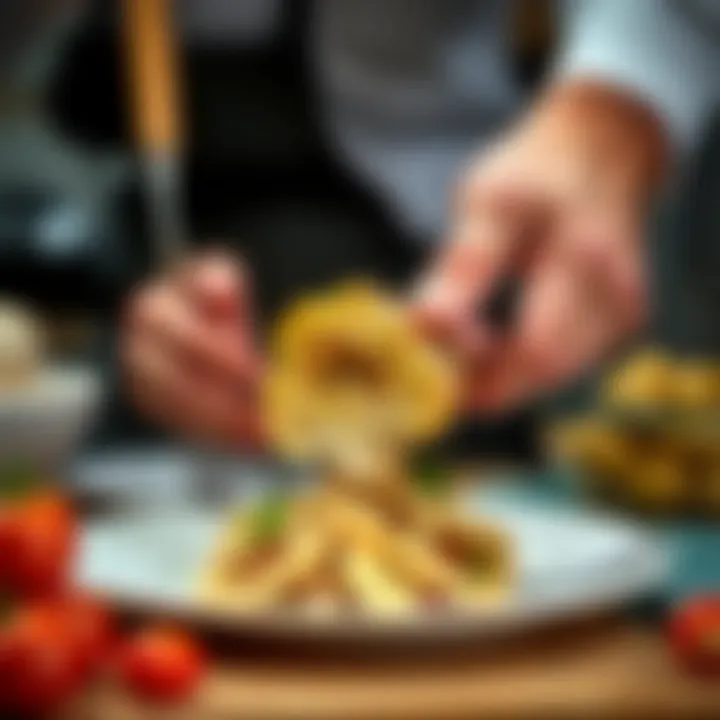
To truly create a feast worthy of celebration, consider dishes that complement artichoke pozza. The interplay of flavors and textures can make for a harmonious experience. Here are some ideas:
- Roasted Vegetables: A medley of seasonal roasted veggies, like bell peppers or zucchini, adds color and an earthy undertone.
- Light Salad: A refreshing salad with a vinaigrette dressing can balance the richness of the pozza. Think arugula with cherry tomatoes and a splash of balsamic.
- Garlic Bread: Crisp and buttery, garlic bread can add a comforting element to the dining experience, ideal for scooping up any remnants of the pozza.
- Pasta Primavera: A light pasta dish tossed with fresh herbs and vegetables brings together the seasonal elements that echo the flavors of the artichoke.
By melding these options into a single meal, you will explore the versatility of artichoke pozza while appealing to a variety of taste preferences. With thoughtful choices in wine and accompanying dishes, every meal can be an adventure.
Culinary Challenges
When it comes to crafting artichoke pozza, numerous culinary challenges can crop up, serving as both a stumbling block and an unexpected teacher during the cooking process. Navigating these hurdles not only sharpens one’s skills but also enriches the culinary experience. Understanding the roadblocks can unveil crucial insights that enhance one's abilities in the kitchen.
Common Mistakes
Every aspiring chef or seasoned cook risks overlooking key details that might taint the final dish. Here are some common pitfalls one might encounter while preparing artichoke pozza:
- Underestimating the Artichoke's Complexity: Many cooks assume that artichokes are easy to handle. In reality, improper cleaning or handling—like failing to remove all the choke—can lead to a less-than-stellar result.
- Dough Issues: Getting the dough just right can often feel like a guessing game. Whether it’s too dry or too moist, dough that isn’t balanced can ruin the structure and texture of the pozza.
- Ignoring Flavor Balancing: Some cooks commit the mistake of not seasoning properly. Skipping on herbs or spices can make the dish fall flat, leaving diners wanting.
"Cooking is like love; it should be entered into with abandon or not at all." - Harriet Van Horne
Identifying these frequent errors is the first step towards crafting better dishes.
Advice for Perfection
Having encountered these challenges, it’s time to delve into some practical advice that can aid in achieving that coveted artichoke pozza perfection:
- Research Before Cooking: Understanding the characteristics of the artichoke variety you’re using is critical. Spend time learning about them as it will guide your preparation methods.
- Test the Dough Consistency: While mixing, feel free to give your dough a squeeze. It should be neither sticky nor crumbly—achieving the right texture is half the battle won.
- Season Conservative: Always start with smaller amounts of salt and spices, gradually adding more as needed. This way, you control the flavor balance better.
- Taste as You Go: Never skip the tasting phase. Sampling throughout the cooking process allows you to adjust seasoning and flavors to suit your palate.
In mastering artichoke pozza, these insights transform not only the cooking experience but also the appreciation of this unique dish, paving the way for culinary prowess.
Cultural Reflections
Artichoke pozza is not just a dish; it carries a rich tapestry of cultural significance that intertwines with the identities of the communities that claim it as their own. This section aims to unravel those cultural reflections, illustrating how artichoke pozza represents more than mere sustenance—it exemplifies tradition, regional pride, and the evolving narrative of culinary practices.
Artichoke Pozza in Popular Culture
In today’s social media landscape, food has become a centerpiece of interaction and expression. Artichoke pozza has found its way into food blogs, Instagram feeds, and even TikTok challenges, where enthusiastic home cooks experiment with the dish in their kitchens. A notable moment occurred during a viral trend showcasing unique, yet simple ways to prepare artichoke pozza. Creativity flourishes here; users play with colors, textures, and even plating to show their personality through food.
Moreover, renowned chefs have paid homage to artichoke pozza in episodes of popular cooking shows, celebrating its heritage while adding their twist. For instance, shows on networks like Food Network or YouTube often highlight traditional recipes, inviting viewers to appreciate the dish’s history while inspiring them to create their own variations.
Artichoke pozza isn’t just a meal; it’s a cultural chronicle reflecting both past and present culinary trends. You can connect with the essence of a community through food, and artichoke pozza does precisely that, binding locals and food lovers alike with its delectable taste.
Influence on Modern Cuisine
Modern cuisine often revels in its fusion and evolution, where traditional dishes meet contemporary techniques. Artichoke pozza serves as a prime example of this trend. Chefs across the globe are reinventing the dish by marrying it with elements from various culinary traditions.
Some eco-conscious chefs have shifted focus toward sustainable practices, sourcing organic artichokes and regional ingredients. This not only enhances its flavor profile but also promotes a deeper connection to the land and the community from which the dish originates. Using seasonal vegetables alongside artichoke, they create plates that change with the seasons—showing diners the rhythm of the earth through food.
Additionally, contemporary dining places value on presentation and creativity. Chefs manipulating the traditional style of artichoke pozza are often seen incorporating unexpected garnishes or textures, like adding a drizzle of balsamic reduction or a sprinkle of microgreens to invite an artful touch.
As dining experiences become more immersive, artichoke pozza acts as a bridge between nostalgia and the avant-garde. With all its reinterpretations, it remains relevant and integral in modern cuisine, sparking interest and rewarding those who dare to explore its many layers.
Closure
As we draw the curtains on our exploration of artichoke pozza, it becomes clear that this dish is more than just a delightful bite. It exemplifies a beautiful harmony between culinary tradition and modern adaptation, illustrating the myriad possibilities that arise when one dares to blend textures and flavors. A thorough understanding of artichoke pozza serves several purposes; it helps preserve cultural heritage, while also inspiring creativity in the kitchen.
Summarizing Key Takeaways
- Culinary Heritage: Artichoke pozza is deeply rooted in culinary history, serving not only as a meal but also as a representation of regional identity. Its origins provide context for the dish's significance—an important aspect that food lovers should value.
- Preparation Techniques: Mastering the techniques for creating artichoke pozza enhances not only skill but also appreciation for the dish. From selecting the right ingredients to the cooking methods chosen, each step serves a purpose, weaving a richer narrative through the act of cooking.
- Versatility: This dish is adaptable to many palates, which reflects the contemporary move towards inclusivity in our food choices. Whether it’s adjusting the ingredients to accommodate dietary restrictions or incorporating local flavors, artichoke pozza embodies culinary creativity.
Final Thoughts on Artichoke Pozza
Artichoke pozza stands as a testament to the potential of culinary exploration. Each slice of pozza reveals the stories of those before us, as well as our own culinary journeys. In today's fast-paced world, where quick fixes dominate, taking the time to craft a thoughtful and delicious dish like artichoke pozza can be a rewarding endeavor. It teaches patience, respect for ingredients, and, most importantly, the joy of creating something meaningful with one’s own hands. For food lovers, this dish is not merely a recipe; it’s an experience, a connection to cultures, and a celebration of flavors that come together to enrich our dining experiences.
"Cooking is not just about food; it's about the stories we tell, the cultures we embrace, and the artistry we create."
For an intriguing read on similar topics, consider checking out Wikipedia on Artichokes or diving into Britannica's entry on Italian Cuisine.