Exploring the Large Carbon Steel Wok: Techniques and Insights


Intro
The large carbon steel wok is not just another kitchen tool; it stands as a symbol of culinary versatility and efficiency. Embraced by cooks around the globe, this unique vessel has roots deeply woven into culinary history, particularly in Asian cooking traditions. Its appeal lies not just in its ability to handle high heat but also in its adaptability across diverse cooking methods—from stir-frying to steaming.
While many may know a thing or two about the carbon steel wok, understanding its potential fully requires unearthing its various features and applications. In this piece, we will dive into the nuances of this indispensable tool, from its maintenance to explore the techniques that unlock its capabilities. This exploration aims to enrich the appreciation for cooking, whether one is an enthusiastic home cook or a seasoned professional in the kitchen.
Let's embark on this journey through the world of the large carbon steel wok, shedding light on its functional marvels and culinary artistry.
Recipe Overview
Recipe Name: Stir-Fried Chicken with Vegetables
Cuisine Type: Asian
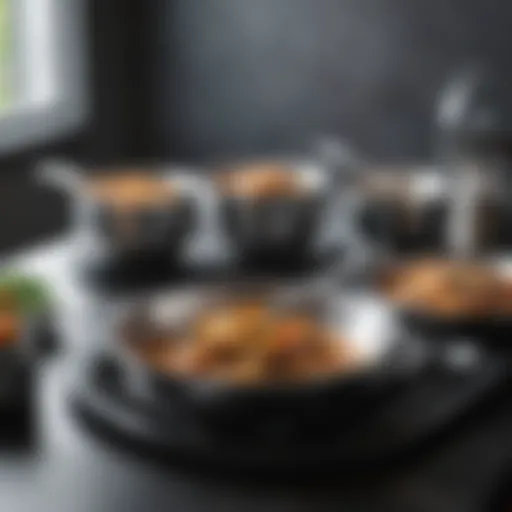
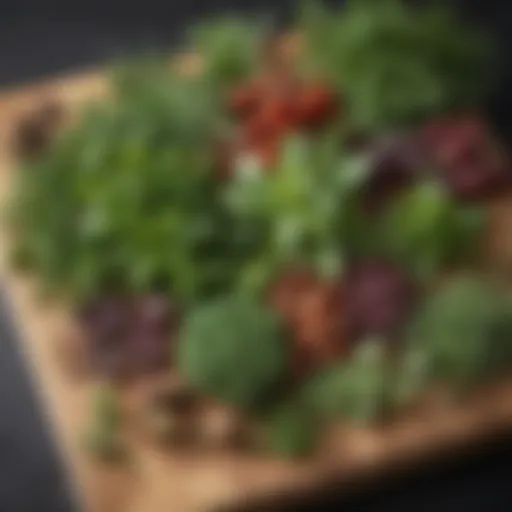
Stir-fried chicken with vegetables is a classic dish that showcases the efficiency of a large carbon steel wok. This recipe serves as an excellent introduction to cooking with this versatile utensil while allowing for endless variations according to personal taste or available ingredients. As we break down this recipe, it will reveal not just the flavors but also the fundamental techniques that highlight the benefits of using a carbon steel wok.
Ingredients
- 2 chicken breasts, thinly sliced
- 1 red bell pepper, julienned
- 1 green bell pepper, julienned
- 1 carrot, thinly sliced
- 3 cloves garlic, minced
- 1 inch ginger, grated
- 3 tablespoons soy sauce
- 1 tablespoon sesame oil
- 1 tablespoon vegetable oil
- Salt and pepper to taste
Substitutions for Common Ingredients
- Chicken can be substituted with tofu or shrimp for a different protein source.
- Bell peppers can be replaced with any seasonal favorite, like zucchini or broccoli.
- Soy sauce can be swapped out for tamari or coconut aminos for a gluten-free option.
In summary, the large carbon steel wok is more than just a cooking utensil; it is an extension of the chef’s creativity in the kitchen. With proper understanding and techniques, it opens doors to a world of culinary possibilities.
Prologue to Large Carbon Steel Woks
When it comes to versatile cooking tools, few can rival the large carbon steel wok. This article delves deep into its significance, not just as a cooking vessel, but as a culinary companion that bridges cultures and techniques. From novice home cooks to seasoned chefs, understanding the large carbon steel wok unlocks a trove of cooking possibilities. The charm of this wok lies in its ability to impart a unique flavor to dishes, thanks to its historical roots and unique material properties.
Historical Context
The origin of the carbon steel wok traces back to ancient China, where it was an essential cooking fixture, often utilized for stir-frying. A common belief is that it was created out of necessity by the resourceful cooks of the time. This vessel allowed for high-temperature cooking and was adaptable to various cooking techniques. Not just limited to stir-frying, the wok's shape and material have made it indispensable in various Asian cuisines.
In traditional Chinese households, the wok is often regarded as a family heirloom, passed down from generation to generation. With each use, it develops a patina that not only enhances its performance but also adds to its sentimental value. The communal aspect of cooking with a wok emphasizes shared experiences at the dining table, honoring family traditions while showcasing culinary evolution.
Material Composition
Carbon steel woks stand out due to their specific material makeup. Made primarily from iron and a small carbon content, this alloy creates a strong but lightweight cooking surface. The response to heat is striking: they heat quickly but also cool down rapidly, which allows for precise temperature control while cooking. This characteristic is vital when trying to achieve the desired texture in a dish, whether it’s crispy, tender, or juicy.
The composition of the steel allows for even heat distribution, minimizing hot spots that can lead to uneven cooking. Moreover, the ability to develop a natural non-stick surface through seasoning makes it a favorite among culinary enthusiasts. This is in stark contrast to other materials, like stainless steel, that do not offer the same advantages.
A well-seasoned carbon steel wok can rival even the most advanced non-stick options, allowing for a healthier cooking method that uses less oil and preserves the flavors of the ingredients. To reap these benefits, however, understanding how to care for and maintain a carbon steel wok becomes essential, ensuring that this tool remains as effective and beloved as it was in the past.
Choosing the Right Carbon Steel Wok
Selecting a carbon steel wok isn’t just a simple task of picking one off the shelf. There are several crucial elements to consider, and each plays a role in the wok's functionality and your cooking experience. By understanding these factors, you can ensure that your wok not only meets your culinary needs but also helps to elevate your cooking skills.
Wok Sizes and Shapes
When it comes to choosing the appropriate size and shape of your carbon steel wok, there's no one-size-fits-all answer. Woks come in various diameters ranging from small (about 12 inches) to large (over 16 inches). The size significantly affects your cooking process.
- Small Woks (12-14 inches): Great for individuals or small families. These are easier to handle and make for simpler storage.
- Medium Woks (14-16 inches): This is the sweet spot for most home cooks. It’s versatile enough for various recipes, from stir-frying to steaming.
- Large Woks (16 inches and above): Ideal for larger gatherings or batch cooking. They can accommodate more ingredients, but they can be cumbersome.
Additionally, wok shapes can differ. While the classic round bottom is excellent for traditional cooking methods on a gas stove, flat-bottom woks are more suited for electric stoves. A round bottom allows better heat distribution and is fantastic for high-heat cooking methods, while a flat bottom ensures stability on a flat cooking surface. Always consider your cooking setup before making a decision.
Understanding Weight and Thickness
Another vital aspect to consider is the weight and thickness of the wok. This may not be the first thing on your mind, but it significantly impacts performance.
- Weight: Heavier woks can retain heat better and offer even cooking. However, they can be harder to maneuver. A lightweight wok can be easier to toss those vegetables but may not hold heat as effectively.
- Thickness: Thinner woks heat up faster but might not distribute heat evenly, leading to hot spots that can burn food. Thicker woks may take longer to heat but will keep a steady temperature, allowing for better cooking. Opting for a thickness of about 1.5-2 mm is often ideal for both effective heating and handling.
In summary, consider how much food you typically cook, your heating source, and your comfort level with handling heavier cookware. A well-chosen wok tailored to your cooking needs can enhance your culinary pursuits significantly.
"The right wok makes a world of difference in cooking. Not just for the efficiency but also for the joy it'll bring to your culinary adventures!"
In the end, choosing the right carbon steel wok takes some time and thought, but the rewards are manifold. You’ll have a trusty companion in the kitchen that can last for years if properly cared for. Make your choice wisely, and your cooking experience will be all the richer.
Advantages of Using a Carbon Steel Wok


The carbon steel wok stands as a top choice among culinary enthusiasts for a good reason. It's not just another cooking tool; it's a versatile companion, ideal for a range of cooking tasks. This section shines a light on two key benefits: heat retention and distribution, along with its versatility in various cooking techniques.
Heat Retention and Distribution
When we talk about heat in the kitchen, the wok is like the star player of a well-rehearsed orchestra. Carbon steel, known for its excellent thermal conductivity, ensures that heat spreads evenly across the surface. There’s no "hot spot" nonsense here—the heat you apply gets radiated throughout the pan, making it perfect for techniques like stir-frying.
With high temperatures, your food can brown nicely without overcooking. Imagine throwing in vegetables; they get that crunchy texture while keeping the insides juicy. This is a far cry from pans made from materials that struggle with heat management.
- Quick Heating: Carbon steel warms up fast. Your stir-fry gets going in no time.
- Consistent Cooking: With even heat, you can say goodbye to unevenly cooked meals.
- Retention of Heat: Once it’s hot, it stays hot—great for searing meat and locking in flavors.
"The key to successful stir-frying lies not just in the ingredients but also in how well you control the heat."
Versatility in Cooking Techniques
The adaptability of a carbon steel wok is nothing short of impressive. While traditionally associated with Asian cuisines, this tool has carved out a niche for itself in global cooking styles. You’ll find it used in everything from classic stir-fries like Kung Pao chicken to searing scallops and even baking bread.
- Stir-Frying: It's the classic method where the wok shines. Fast, efficient, and healthy; you get to retain crunch and color in your veggies.
- Braising: Yes, you can braise in a wok too! Just sear your meat beforehand and then simmer it all in one pot.
- Steaming: With a simple bamboo steamer that fits the wok, you can steam dumplings or fish effortlessly.
- Deep-Frying: The shape allows for a small amount of oil to be used while ensuring everything gets that golden brown crisp.
- Baking: Yes, even baking! Some people have had success making pizzas right on the wok's flat surface over a grill.
Whether you are trying your hand at a traditional Pad Thai or experimenting with an Italian frittata, the carbon steel wok does it all.
Understanding these advantages can make a significant difference to one’s culinary journey. A good carbon steel wok is a long-term investment into flavor and innovation in any kitchen.
Seasoning Your Carbon Steel Wok
Seasoning your carbon steel wok is not just a chore; it's an essential rite of passage for any culinary enthusiast. This process transforms a raw, metallic surface into a slick, non-stick cooking companion. The proper seasoning creates a natural layer that improves flavor while discouraging the all-too-common problem of rusting. Not to mention, a well-seasoned wok can last you a lifetime, if not more.
The key benefits of seasoning can't be overstated. First, it enhances the wok's performance. A seasoned surface can handle high heat like a champ and ensures that your food cooks evenly. Second, it improves the flavor of your meals—yes, you heard me right! The oils you use during seasoning will add unique flavors to your dishes over time. And finally, seasoning provides a protective barrier that helps prevent sticking and corrosion, both major annoyances for any cook.
Keep in mind that seasoning is not a one-off deal. It requires regular touch-ups to maintain the non-stick characteristics and overall integrity of your wok. Whether you’re an amateur at home or a seasoned chef, this practice can elevate your cooking game to a whole new level.
Step-by-Step Seasoning Process
Getting your wok ready for culinary exploits involves a few straightforward steps:
- Clean the Wok: Start with a clean slate. Rinse your carbon steel wok thoroughly in warm water. If necessary, scrub it with a soft sponge to remove any residues—a scouring pad may scratch the surface, so proceed with caution.
- Dry Completely: Use a towel to dry your wok thoroughly, as any moisture left can interfere with the seasoning process. A damp surface could lead to uneven seasoning.
- Heat the Wok: Place your dry wok on the stove over medium-high heat. Let it reach smoking temperature. This step ensures that it will open up the pores of the metal for better oil absorption.
- Choose Your Oil: Not all oils are created equal. Opt for one that has a high smoke point like flaxseed oil, grapeseed oil, or vegetable oil. Pour a small amount into the pan—about a tablespoon will do fine.
- Spread Evenly: Using a paper towel or cloth, spread the oil around the entire cooking surface, including the sides. You want to coat every nook and cranny without creating a pool of oil.
- Heat Again: Allow the wok to heat continuously until the oil reaches its smoke point. Keep an eye on it; you want to see the oil start to change color. This process might take around 10-15 minutes.
- Let it Cool: Take the wok off the heat and let it cool down. The cooling process helps the oil bond with the metal.
- Repeat if Necessary: For best results, repeat the oil coating and heating process 2-3 times more. Each layer builds on the previous one, creating a solid non-stick surface.
By the end of this process, your wok should have a lovely, glossy sheen. It’s now ready for cooking.
Common Mistakes to Avoid
Even seasoned pros can trip up when it comes to seasoning proper. Here are common pitfalls to steer clear of:
- Using Soap: Once seasoned, don't wash your wok with soap; it can strip away the protective layer you've built. Just hot water and a gentle sponge will suffice for cleaning.
- Skipping the Heating Step: If you don’t sufficiently heat the wok after applying oil, it won’t absorb properly. This can lead to a sticky surface, which is the opposite of what you want.
- Omitting the First Seasoning: New woks often come with a protective coating that must be removed. Ignoring this can lead to uneven seasoning, metal flavors in your food, and premature rusting.
- Not Re-seasoning: As your wok gets used over the years, the seasoning may wear off. Ignoring this can result in food sticking and the wok losing its non-stick properties. Make a habit to check and re-season regularly.
- Using Low Smoke Point Oils: Oils with a lower smoke point can polymerize incorrectly, leading to a rancid flavor or a sticky surface.
Remember, proper seasoning can be the difference between culinary mediocrity and mastery. Treat your carbon steel wok with care, and it’ll reward you with delicious meals for many years to come.
"A seasoned wok is a happy wok, and a happy wok means even happier cooks!"
For additional information on wok seasoning, you can refer to Wikipedia's Seasoning.
Maintaining the health of your wok through seasoning is paramount to culinary success. By avoiding common pitfalls and following the correct procedures, your wok can become a beloved utensil in your cooking arsenal.
Maintenance and Care for Longevity
Maintaining a large carbon steel wok is not just about keeping it clean. It plays a crucial role in prolonging its lifespan and ensuring optimal cooking results. After all, a well-cared-for wok develops a seasoned patina that enhances flavor over time. Therefore, understanding how to maintain this kitchen essential can significantly impact the quality of your meals.
Cleaning Techniques
Keeping your carbon steel wok clean is essential, but it shouldn't be treated like any other pan. Harsh dish soaps or scrubbers can strip away the precious seasoning. Instead, follow these steps for effective cleaning:
- Immediately After Use: While the wok is still warm, rinse it with hot water. A gentle wipe with a soft sponge can help remove food particles. Avoid using scour pads, as they may damage the seasoning.
- Soak if Necessary: If there’s stubborn residue, fill the wok with warm water and let it soak for a few minutes. This will loosen stuck food without harming the surface. Just don’t leave it soaking for too long or it might rust.
- Drying: Once clean, dry the wok thoroughly with a clean cloth or paper towel. Make sure it's completely dry to prevent any moisture from causing rust. Placing it over low heat on the stove for a few minutes is a great way to ensure all moisture evaporates.
- Re-seasoning: Occasionally, you may need to re-season your wok. This process involves applying a thin layer of oil to the surface and heating it until the oil starts to smoke lightly. This revitalizes the non-stick surface and keeps the flavors intact.
By properly maintaining the cleaning routine, your wok can age like fine wine, providing better flavors and cooking experiences.
Storage Recommendations
The way you store your carbon steel wok affects its longevity. Incorrect storage can lead to rust, which is the bane of any cook’s prized possession. Here are some tips to store your wok effectively:
- Dry Completely: As mentioned earlier, ensure it’s completely dry before storing. Leave it out for a bit after drying to confirm there’s no leftover moisture.
- Avoid Nesting: If you have multiple woks or pans, avoid stacking them. Nesting can cause scratches that compromise the seasoning. Instead, consider using a protective cloth or paper towel between them.
- Keep it in a Cool Place: Store your wok in a cool, dry cabinet to protect it from humidity. If possible, avoid places like above the stove, where heat and moisture can cause faster deterioration.
- Lightly Oil: Before storing for an extended period, apply a thin layer of cooking oil to the inside. This extra layer creates a barrier against rust and helps preserve its surface.


Storing your wok with these considerations might seem trivial, but ensure you maintain its integrity over time.
Proper care and maintenance will help your carbon steel wok to continue performing well for years, making it a worthy investment in your kitchen arsenal.
Cooking Techniques Specialized for Woks
Using a large carbon steel wok isn't just about having the right equipment; it's also about mastering specific cooking techniques that take full advantage of the wok's unique properties. The versatility of this kitchen tool has been celebrated in various cuisines, where techniques like stir-frying, steaming, and braising create dishes packed with flavor and texture. Understanding how to use these techniques not only enhances your culinary repertoire but also deepens your appreciation for Asian cooking traditions.
Stir-frying fundamentals and steaming or braising techniques provide insights into how to maximize the efficiency and flavor of your meals. By applying the right methods, you can achieve delicious results that would be hard to replicate with other cooking tools. Let’s break down these vital techniques for optimal use of your carbon steel wok.
Stir-Frying Fundamentals
Stir-frying is essentially the star of wok cooking and has deep roots in Asian gastronomy. The technique involves cooking food quickly at high temperatures while constantly stirring. This method is perfect for retaining the freshness and crunch of vegetables while ensuring proteins, like chicken or beef, remain tender and juicy.
To get started with stir-frying:
- Preheat Your Wok: Heat plays a critical role. Try to get your wok smoking hot before adding any ingredients. This helps seal in moisture and brings out flavors.
- Use a High Smoke Point Oil: Oils like canola or peanut are ideal. They can withstand high temperatures without burning, unlike olive oil.
- Don't Overcrowd: If you toss too much in at once, the temperature drops, and you’ll end up steaming rather than frying. Work in small batches and let the ingredients breathe.
- Cut Uniformly: Chop all ingredients into similar sizes to ensure even cooking. Thin slices of meat and bite-sized veggies are easier to cook uniformly.
- Work in Stages: Start with aromatics like garlic and ginger, followed by proteins, and lastly, the veggies. This layering technique builds a depth of flavor that’s hard to beat.
Stir-frying serves not just to cook quickly but to combine contrasting textures and flavors in one dish. The quick cooking time locks in nutrients, resulting in healthier meals.
Steaming and Braising in Woks
While stir-frying often takes the spotlight, steaming and braising are equally essential for showcasing the versatility of a wok. Each technique brings out distinct flavors and textures, allowing for various culinary creations.
Steaming in a wok can be done using a bamboo steamer or a heatproof plate atop a rack inside the wok. The wok’s high sides help trap steam efficiently. Here’s how to steam:
- Add Water: Pour a few inches of water into the bottom of the wok, ensuring it doesn’t touch the food.
- Layer Properly: Fill your steamer with ingredients like dumplings or vegetables. Just make sure to leave some space for the steam to circulate.
- Cover It Up: A tight-fitting lid ensures steam doesn’t escape, keeping the food moist and flavorful.
On the other hand, braising allows tougher cuts of meat to become tender and flavorful. This technique involves a two-step process:
- Sear the Meat: Begin by browning the meat in a little oil. This caramelization adds a rich depth of flavor.
- Add Liquid and Simmer: Add broth, wine, or a sauce, cover, and let it cook low and slow. The results? Unbelievably tender meat that falls apart, infused with the aromatics of your choice.
"Braising combines the best of both worlds—the texture found in slow cooking and the vibrancy that comes from wok-frying."
For further resources and detailed recipes using wok techniques, visit: Wikipedia - Wok, Britannica - Cooking Techniques
Employ these methods and watch how your dishes transform, making every meal a celebration of flavor.
Exploring Global Recipes
Exploring global recipes with a large carbon steel wok can be a delightful journey for any food enthusiast. This culinary tool, steeped in history, possesses stunning versatility. From classic Asian fare to modern fusion dishes, the wok allows chefs to experiment with flavors and cooking styles from across the globe, all while achieving optimal taste and texture. By using this adaptable utensil, cooks unlock a world of culinary possibilities that can elevate both the home kitchen and professional kitchens alike.
The benefits of incorporating global recipes into your wok repertoire are plentiful. Firstly, it broadens one’s understanding of various cooking techniques, which can enhance overall skill. Secondly, experimenting with recipes from different cultures can inspire creativity in meal preparation. Additionally, utilizing a carbon steel wok empowers cooks to utilize high temperatures efficiently, making it ideal for quick stir-frying, deep frying, and even steaming—integral techniques in various cuisines.
Classic Asian Dishes
When it comes to classic Asian dishes, the large carbon steel wok truly shines. Think of the sizzling sound when vegetables hit the hot steel, instantly releasing their aromas and flavors. Stir-fried favorites like Chow Mein or Kung Pao Chicken come to life with a wok, allowing for that signature char and sear that defines these dishes.
To recreate the authentic taste of a classic stir-fry, one must focus on the fresh ingredients. A well-seasoned wok creates a non-stick surface that prevents food from burning, ensuring a perfect cook every time. Moreover, with the correct technique—cooking in batches and using high heat—cooks achieve an excellent texture that is both tender and crisp. Here are some classic Asian recipes one can try:
- Beef and Broccoli Stir-Fry: With tender slices of beef and vibrant broccoli, this dish is a staple in many Chinese kitchens, delivering flavor in every bite.
- Sweet and Sour Chicken: A balance of flavors combining tartness and sweetness can easily be achieved thanks to the wok’s excellent cooking properties.
- Vegetable Lo Mein: A hearty dish packed with vegetables and noodles that come together harmoniously in a matter of minutes.
Utilizing a wok allows one to channel the true essence of these dishes while amplifying their health benefits by integrating fresh produce.
Fusion Cuisine Ideas
The concept of fusion cuisine challenges traditional cooking norms and allows for an innovative approach to flavor combinations. Using a large carbon steel wok for fusion dishes is not just about mixing ingredients from different origins; it’s about celebrating creativity in the kitchen. With a quick stir-fry or an alternative use like baking or grilling, one can create unique offerings that appeal to both traditionalists and modern diners.
Here are some ideas to inspire fusion creations:
- Thai Basil Pesto Pasta: Imagine combining the Italian classic spaghetti with aromatic Thai basil for a fresh twist.
- Korean BBQ Tacos: The flavors from a bulgogi beef stir-fry wrapped in a warm tortilla create a perfect cultural mash-up.
- Mediterranean Stir-Fry: Blend chickpeas, zucchini, and feta cheese in a wok, harnessing flavors from both Greek salad and a traditional stir-fry.
These recipes not only promise to excite your palate but also encourage culinary exploration. Cada dish invites cooks to embrace cultural influences while expressing personal style through the art of cooking. No matter the recipe, the carbon steel wok remains the ultimate conduit for creativity.
The versatility of the large carbon steel wok is its appeal. It's a bridge connecting the flavors of different cultures, allowing cooks to innovate while preserving the essence of traditional cooking.
By exploring these global recipes, a chef can fully appreciate the wide-ranging capabilities of the wok, ultimately creating meals that resonate with tastes from all corners of the globe while enhancing the joy of cooking.
Safety Considerations When Using Woks


Cooking with a large carbon steel wok can be a rewarding experience that transforms your culinary game. However, along with this joy comes the responsibility of ensuring safety while handling such a versatile kitchen tool. When the words "wok" and "safety" come together, it's about being fully aware of the potential hazards associated with high-heat cooking and taking the necessary precautions to prevent accidents. This section outlines essential safety considerations to keep in mind while using a wok, focusing on two crucial areas: dealing with high temperatures and selecting appropriate utensils.
Dealing with High Temperatures
Operating a carbon steel wok typically involves high heat, and while this is what makes it incredible for stir-frying and other techniques, it can also pose risks. Here are several points to help manage heat safely:
- Mind the Temperature: Always preheat your wok gradually. If you crank it up to max heat immediately, you risk warping or damaging the metal. A little patience goes a long way in preserving your wok’s integrity.
- Surrounding Area: Ensure that your cooking area is clear of flammable materials. A stray dish towel or pot holder can quickly ignite if it’s too close to the burner.
- Use of Oils: When adding oil, be ready! The oil can heat up rapidly and begin to smoke before you know it. Pour it in and then add food quickly to minimize the smoke; burnt oil can alter both taste and safety.
It's important to remember that while woks have fantastic heat distribution, they're prone to hotspots. Stirring consistently keeps food evenly cooked but also protects you from unexpected splattering.
- Avoid Cooking with Water: Water combined with oil at high temperatures can lead to splattering and burns. Use alternative methods to steam or prepare ingredients before they meet the wok.
Following these practices can save you from a kitchen mishap and allow you to focus solely on your culinary creations.
Choosing Appropriate Utensils
To keep your cooking experience safe and effective, having the right utensils is key. Improper tools can lead to damage, inefficiencies, or even accidents. Here’s what's crucial:
- Material Matters: Avoid using utensils made from plastic or non-heat-resistant materials. Instead, opt for wooden, bamboo, or high-grade silicone utensils that can handle high temperatures without melting or scratching the wok’s surface.
- Long Handles: Look for utensils with long handles. This not only helps keep your hands away from hot surfaces but also provides better leverage when tossing ingredients around, which is a hallmark of wok cooking.
- Shape and Size: The shape of your spatula or ladle should complement the curvature of your wok. A flat, wide spatula is perfect for lifting foods without breaking them apart as you stir-fry.
- Check for Damage: Regularly inspect your utensils for signs of wear and tear. If you see cracks or chips, it’s time to toss them. Using damaged tools can compromise both your safety and your meal preparation process.
Emphasizing safety through careful handling and choosing the right tools ensures a smooth and enjoyable wok cooking adventure. Remember, taking these precautions not only protects you and those around you but also enhances your overall cooking experience.
Comparing Carbon Steel with Other Wok Materials
Understanding the differences between various wok materials is crucial for anyone serious about cooking. Each material brings unique advantages and disadvantages to the table, influencing cooking style and flavor. Carbon steel is known for its ability to heat up quickly and evenly, making it a preferred choice for high-heat cooking. However, it's essential to see how it stacks up against other popular materials like cast iron and non-stick finishes.
Cast Iron versus Carbon Steel
Cast iron woks have long been championed in kitchens around the world, often revered for their excellent heat retention. They hold the heat like a bear hugs its favorite blanket, which is perfect for low and slow cooking. However, a cast iron wok can be quite heavy, making it a struggle for some cooks to maneuver, especially when tossing food. Additionally, they tend to take longer to heat up, which could stall your cooking when you’re in a hurry.
On the flip side, carbon steel woks heat up rapidly, giving you that immediate sear on vegetables or proteins. They are also relatively lighter, allowing for easier handling and tossing—a crucial factor when you’re stir-frying. There's a caveat, though; carbon steel requires regular seasoning to maintain its surface and prevent rust.
"Choosing between cast iron and carbon steel often comes down to personal preference and intended use. Knowing how you cook can simplify this decision."
While both types can yield fantastic results, opting for carbon steel gives you that quick responsiveness, essential for high-heat methods like stir-frying. Cast iron might be better if you're focused on braising or simmering recipes. Ultimately, every chef should weigh the pros and cons based on their culinary needs and cooking techniques.
Non-Stick Coatings in Woks
Non-stick coatings, often made with Teflon or ceramic, have made their way into many home kitchens and are favored for their ability to reduce sticking. They make for easy clean-up, which is a huge plus, especially after a long day. Non-stick woks are light and easy to handle. However, there are significant drawbacks to consider.
While these woks may seem user-friendly, they typically can’t withstand the high heat needed for traditional stir-frying. The non-stick surface can start to wear off over time, especially if metal utensils are used, which could lead to food sticking as the coating deteriorates. More importantly, high temperatures can cause the release of harmful chemicals from some non-stick coatings, making them less than ideal for serious cooking enthusiasts.
In contrast, carbon steel woks, while requiring seasoning and proper care, offer a natural non-stick surface once well-seasoned. They can endure high temperatures necessary for a vibrant stir-fry, all while developing a seasoning layer that enhances flavor over time. Many chefs appreciate this unique feature of carbon steel, viewing it as a living tool that improves with use.
Innovative Uses for Large Carbon Steel Woks
The large carbon steel wok is not just a one-trick pony; it's a versatile workhorse in the kitchen that can do much more than stir-fry or steam vegetables. Understanding its innovative uses can significantly expand your culinary repertoire, allowing you to explore exciting techniques and flavors. From outdoor grilling to unique baking methods, harnessing the capabilities of a carbon steel wok can redefine your cooking experience. Here’s a deep dive into a couple of innovative applications that are sure to whet your appetite for adventure in the kitchen.
Outdoor Cooking and Grilling
Taking your large carbon steel wok outside opens up a world of outdoor cooking possibilities. The outdoor grill provides high heat, which complements the wok's ability to sear, caramelize, and enhance flavors. Consider the following benefits:
- Searing Meats and Vegetables: The high heat from the grill allows you to achieve a beautiful char that seals in juices, whether you're cooking chicken wings, beef strips, or a medley of summer vegetables.
- Stir-Frying Under the Stars: Why limit your stir-frying to the kitchen? Using your carbon steel wok on a portable grill allows for a perfect blend of smoky flavor and high-heat cooking, making dishes like Beef Chow Fun or Vegetable Stir-Fry even more delightful.
- Versatility with Non-Traditional Ingredients: Try putting your wok to work with ingredients like fruit. Grilling fruits such as pineapple or peaches in your wok can caramelize natural sugars, bringing out an incredible sweetness perfect for desserts or salsas.
Considerations:
- Ensure your wok is pre-seasoned to prevent sticking when cooking over a grill.
- Adjust the temperature gradually, as extreme changes can warp your wok.
"Grilling in a wok is not just practical; it brings out flavors that are hard to replicate indoors. A little smoke and char make all the difference!"
Utilizing Woks for Baking
Although it might seem unconventional, baking with a carbon steel wok is an ingenious way to experiment in the kitchen. The wok's shape allows for unique baking methods that can yield surprising results:
- Bread Baking: The rounded shape of the wok can mimic a Dutch oven, trapping heat and steam effectively. You can use it to bake artisan-style breads, allowing for a perfect crust with a soft interior.
- Pizza Creation: Why not try making a pan-style pizza in your wok? The heat distribution allows for a crisp bottom while the sides can hold a generous amount of toppings without spilling out.
- Casseroles and Desserts: The wok's depth is perfect for layering ingredients, whether you’re making a savory casserole or luscious baked desserts, like a fruit crumble. The even heat will result in evenly cooked dishes.
Pro Tips:
- Preheat the wok in the oven before adding batter to ensure a good rise in baking.
- Keep an eye on cooking times, as they may vary compared to conventional baking dishes.
In exploring the innovative uses of large carbon steel woks, we unlock a new realm of culinary potential. Chefs and home cooks alike can benefit from the multifunctionality of this tool, making it an essential piece in any kitchen arsenal.
The End
Whether you're grilling up a feast or diving into the world of baking, the large carbon steel wok's adaptability is a testament to its strength in the culinary arts. Revolutionizing your cooking style by stepping outside traditional uses of the wok may just lead to your next favorite dish.