
The Art of Pork Al Pastor: A Culinary Exploration


Recipe Overview
Recipe Name: Pork Al Pastor
Cuisine Type: Mexican
Pork al pastor is not just a meal; it's an experience that brings together flavors, culture, and history. Imagine sizzling slices of marinated pork, cooked to a crispy perfection and tucked into warm tortillas. The dish, with roots in Lebanese shawarma, finds its place in Mexican street food culture, evolving over time and adapting flavors that reflect the essence of its new home. This article serves as a thorough guide, walking you through the origins, preparation methods, and the cultural significance of pork al pastor.
Every bite tells a story, from the marination techniques that tenderize the pork to the accompanying garnishes that elevate the dish to a culinary masterpiece.
Ingredients
To make a truly authentic pork al pastor, you'll need to gather some staple ingredients:
- Pork shoulder - 2 pounds
- Pineapple - 1 cup, diced
- Dried guajillo chilies - 3, stems and seeds removed
- Chipotle peppers in adobo - 2
- Garlic - 4 cloves
- Cumin - 1 teaspoon
- Oregano - 1 teaspoon
- Cider vinegar - 1/2 cup
- Brown sugar - 1 tablespoon
- Salt - to taste
- Fresh cilantro - for garnish
- Onion - finely chopped, for garnish
- Corn tortillas - for serving
Substitutions for Common Ingredients
If you find some ingredients hard to come by, don't fret. Here are common substitutions that work well with this recipe:
- Pork shoulder can be swapped for pork loin or even chicken thighs for a leaner option.
- Guajillo chilies can be replaced with ancho chilies for a slightly different flavor profile.
- Instead of cider vinegar, you can use white vinegar or lime juice for acidity.
- If fresh cilantro doesn't tickle your fancy, parsley can provide a mild substitute.
By understanding these variants, you can easily make this dish your own while still capturing the essence of pork al pastor.
As we dive deeper into the preparation process, stay tuned to discover cooking techniques and expert tips that can transform your kitchen into a vibrant taqueria.
The Origins of Pork Al Pastor
Understanding the roots of Pork Al Pastor takes us on a journey through time and cultural intermingling. The dish's story intricately weaves together the history of immigration, the influence of various cuisines, and the evolution of culinary practices in Mexico. This not only enriches our appreciation of the flavors but also highlights the importance of food as a reflection of cultural identity.
Moreover, delving into its origins allows us to recognize how this dish has transformed from a simple preparation to a celebrated staple in both traditional and modern culinary scenes.
Historical Context
To trace the lineage of Pork Al Pastor, one must first look at the arrival of Lebanese immigrants in Mexico during the late nineteenth century. These immigrants brought with them not just their recipes but also the cooking methods that have become integral to Mexican cuisine. The concept of cooking marinated meat on a vertical spit, known as trompo, can be traced back to Shawarma, a dish popular in the Middle East. As these practice took root in Mexico, local flavors and ingredients began to seep into the mix.
Al Pastor, literally meaning 'in the style of the shepherd,' is a nod to the dish's Middle Eastern origins. The migration of flavors illustrates a beautiful tapestry of globalization and adaptation. Over the years, the typical marinade of adobo and the addition of pineapple came about when chefs sought to give this dish a uniquely Mexican twist, adding sweetness to the savory meat.
Today, Pork Al Pastor stands as a testament to the rich, multicultural culinary landscape of Mexico, showcasing how food travels and transforms across borders. Through the ages, it has evolved into something distinctly Mexican yet deeply rooted in its historical context.
Cultural Significance
Pork Al Pastor isn't just a dish; it's a cultural icon imbued with a sense of community and celebration. In the bustling streets of Mexico, food vendors serve it up fresh and hot, uniting people over shared meals. It goes beyond mere sustenance—it symbolizes conviviality, tradition, and heritage.
At social gatherings, families and friends gather around plates of tacos al pastor, indulging in the social ritual of eating together. This dish often plays a central role in festivities, with birthdays and anniversaries celebrated over a spread of tacos and salsa. The very act of making and enjoying Pork Al Pastor becomes a sentinel of cultural memory, preserving a timeless connection between generations.
Moreover, its rise in popularity outside Mexico, especially in the U.S., underscores its significance as a bridge between cultures. It often entices food lovers to explore the rich culinary tapestry that Mexican cuisine offers. As a result, Pork Al Pastor has not only maintained its roots but has also blossomed into a global sensation, inviting curiosity and admiration for its rich, layered history.
Pork Al Pastor illustrates the art of culinary evolution, embodying both tradition and innovation in its flavors.
Key Ingredients in Pork Al Pastor
When one embarks on the journey of creating pork al pastor, the selection of ingredients is paramount. Each component contributes not only flavor but also authenticity, breathing life into the dish. The importance of understanding these key ingredients cannot be understated, as they are the backbone of this culinary gem.
Pork Selection
The heart of al pastor undeniably lies in the pork. It’s essential to choose a cut that retains moisture during cooking, ensuring tenderness. The best options often include pork shoulder or pork butt. These cuts are marbled with fat, which melts during cooking, imparting a luscious quality to the meat.
“The quality of the pork is the soul of al pastor.”
When selecting your pork, consider the following:
- Freshness: Always opt for fresh pork, ideally from trusted local sources or specialty butchers. Frozen pork can lack the rich flavor found in fresh cuts.
- Fat Content: A higher fat content will yield a more succulent and flavorful dish. Stripping off excess fat can lead to dryness, so it’s advisable to leave some on.
- Marinating Capability: The pork should be capable of absorbing flavors well, a quality that is unique to the shoulder or butt cuts.
The Role of Marinades
Marinades are the unsung heroes in the kitchen when it comes to al pastor. They serve a dual purpose: tenderizing the meat while infusing it with a tapestry of flavors. A traditional marinade for al pastor usually features a blend of spices, chilies, and a hint of acidity from citrus.


When making your marinade, consider the following elements:
- Chilies: Ancho and guajillo chilies are quintessential for a balanced flavor profile. They add warmth and depth without overpowering the palate.
- Acidity: The addition of vinegar or pineapple juice not only helps in tenderizing the meat but also cuts through the richness of the pork.
- Spices: Cumin, oregano, and paprika play essential roles in bringing a complexity of flavor that is both aromatic and inviting.
The method of marination may vary. Some prefer to marinate overnight to really allow the flavors to permeate the meat, while others opt for a shorter duration. Either way, marinating is a critical step in ensuring each bite bursts with flavor.
Pineapple: A Signature Element
Pineapple might seem like an unconventional addition, but it’s considered a hallmark of al pastor. This tropical fruit plays a vital role in flavor and texture, providing a sweet counterbalance to the savory spices.
Here’s why pineapple is indispensable:
- Flavor Profile: Its sweetness beautifully contrasts with the spices in the marinade, creating a harmonized taste experience. Each bite of meat accompanied by a piece of grilled pineapple elevates the dish immensely.
- Tenderizing Effect: Pineapple contains bromelain, an enzyme known for its meat tenderizing properties. This means that not only does it taste good, but it also contributes to that melt-in-your-mouth quality characteristic of well-prepared al pastor.
- Presentation and Accompaniments: Grilled pineapple pieces can also be used as a garnish, adding a pop of color and a refreshing element to the dish. Even just a wedge on the side can brighten the plate.
In essence, the ingredients of pork al pastor are more than merely components; they are the essence of a well-crafted dish that speaks to tradition and flavor. Choosing the right pork, combining spices in the marinade thoughtfully, and incorporating pineapple are all critical in crafting an authentic al pastor experience.
Preparing the Marinade
The marinade is the lifeblood of pork al pastor, infusing the meat with a complex tapestry of flavors that elevate this dish to new heights. When properly prepared, it transforms ordinary pork into a culinary masterpiece with vibrant tastes that reflect the dish's rich heritage. Skipping or rushing this step is akin to trying to paint a masterpiece with a single brushstroke—possible, but hardly effective. It involves careful consideration of ingredients, balancing flavors, and giving the meat enough time to absorb all the goodness.
Core Spices and Their Functions
At the heart of any good marinade are spices that not only season the meat but also play essential roles in the cooking process. Here are some of the main contenders:
- Ancho Chili Powder: This ground dried chili offers a slight sweetness and mild heat, laying the foundation for the marinade. Its vibrant red color also contributes visual appeal.
- Cumin: This spice delivers an earthy warmth and aromatic quality. It’s a classic seasoning in Mexican cuisine, tying together the flavors wonderfully.
- Oregano: Bringing an herbal note, oregano complements the robust flavors from the chilies and adds another layer of depth.
- Garlic and Onion: Usually blended into a paste, these staples provide sharpness and sweetness, enhancing the overall flavor blend.
- Adobo Sauce: This is often included for its unique mix of spices and vinegar. It’s a flavor-packed addition that can truly elevate the marinade.
When combined, these spices become an alchemy of taste. Knowing how each spice interacts with the pork allows one to adjust the ratios, tailoring the marinade to personal preference. This step is where creativity can really shine.
Balancing Flavors
Crafting a marinade is like conducting a symphony; each element must harmonize for the final dish to resonate. Several factors come into play when achieving balance:
- Acidity: Ingredients like vinegar, citrus juice, or pineapple juice add necessary acidity, tenderizing the meat and adding brightness to the flavor profile.
- Sweetness: Pineapple is traditionally used in pork al pastor, not just for its flavor but its natural sugars that caramelize beautifully when cooked. Sweet components also counterbalance the heat from the chiles.
- Saltiness: Incorporating salt or soy sauce can enhance the overall flavor, while also ensuring the meat doesn’t become bland.
- Heat Levels: Adjusting the amount of chili allows one to control spice levels, ensuring it’s appealing to various palates. Too much heat can overshadow the dish, while too little might leave it lacking.
In the end, marinating pork al pastor is more than a method; it’s an art. By taking time to prepare thoughtfully, the final product speaks volumes about attention to detail and passion for culinary excellence. This balance creates a dancing flavor profile that’s hard to resist.
"The magic in cooking often lies in the details; perfecting the basic components can lead to astounding results."
As you embark on your journey to create pork al pastor, remember that each step in marinating is essential. Taking care in building these flavors will undoubtedly pay off in the end.
Mastering the Cooking Techniques
Mastering the cooking techniques for Pork Al Pastor is an essential aspect of truly appreciating and executing this dish. It’s not just about throwing ingredients together; it’s an art form. Each method, whether it's the traditional ways or newer approaches, has its nuances that can make or break the final outcome. When you understand these techniques, you gain the ability to replicate authentic flavors and experiences right in your own kitchen.
Cooking Pork Al Pastor is a dance between heat, time, and flavor. Mastering this dance means presenting your audience, or yourself, with a dish that strikes the perfect balance of crispy edges and juicy insides. The methods employed also serve to enhance the taste, allowing the marinade and other flavors to come alive.
Traditional Cooking Methods
The heart of traditional Pork Al Pastor preparation lies in the methods that have been honed over generations. At the core is the trompo—a vertical rotisserie used to cook the meat. This technique mirrors that of Shawarma found in Middle Eastern cuisine and is crucial because it allows the meat to be continuously bathed in its own juices while developing a beautiful caramelization on the outside.
When utilizing a trompo, it's paramount to layer the marinated pork correctly on the skewer, ensuring even cooking. Here are some key elements of traditional cooking methods:
- Marinade Time: Traditionally, the pork is marinated for several hours, often crossing into overnight, to allow the flavors to seep deep into the meat.
- Cooking Temperature: Achieving a high cooking temperature is vital. The outer layer should get that coveted char while the inside stays tender.
- Slicing: Once cooked, the meat needs to be sliced thinly against the grain, which preserves its tenderness and makes it easier to chew.
Taste comes from patience; it's the slow drip of time that creates robust flavors.
Modern Adaptations
As more chefs experiment with flavors and techniques, modern adaptations of Pork Al Pastor often introduce exciting twists while respecting the roots. Many home cooks utilize conventional ovens or stovetops. These adaptations can include:
- Cast Iron Pans: Using a well-seasoned cast iron skillet gives you the chance to achieve that caramelized effect while cooking the meat evenly.
- Sous Vide: Some have begun to embrace the sous vide method, which allows for precise temperature control, ensuring the pork is cooked consistently, resulting in layers of texture and flavor before finishing on the grill for that charred finish.
- Alternative Proteins: Many modern interpretations also delve into using chicken, shrimp, or even plant-based proteins to cater to a wider audience, keeping the spirit of Al Pastor alive but adapting it for diverse dietary preferences.
Each adaptation tells a different story, proving that while tradition is irreplaceable, innovation keeps the culinary world vibrant and exciting. The key is understanding how these techniques impact flavor and texture, ensuring that whatever method you choose feels authentic and delicious.
As you delve into your culinary explorations with Pork Al Pastor, consider these techniques as building blocks. Each layer—be it traditional or modern—adds depth to your dish and allows for personal flair that reflects your tastes while honoring the essence of this wonderful meal.
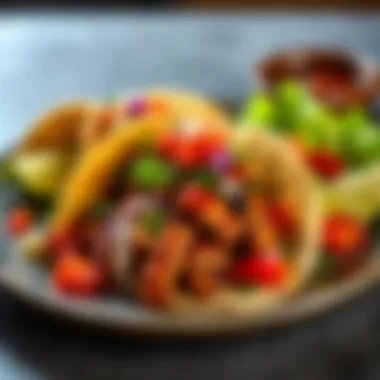

Serving Suggestions
Celebrating Pork Al Pastor does not end at just preparation and cooking; it's about how you present and serve this stunning dish that often makes all the difference. Serving suggestions play a vital role in enhancing not only the flavor experience but also the visual appeal and overall enjoyment of the dish. A well-served Pork Al Pastor can transform a meal from just ordinary to downright memorable, as it reflects thoughtfulness and attention to detail. Here, we will delve into some ideas that elevate the entire culinary experience, focusing on accompaniments and creative presentations.
Accompaniments to Enhance the Dish
Pairing Pork Al Pastor with the right accompaniments can turn it into a feast fit for royalty. The following options work wonders, bringing balance and contrast that elevate the dish.
- Tortillas: Corn tortillas are a classic choice. Opt for handmade ones if you can, as their fresh flavor does wonders.
- Salsas: Multiple salsa options allow for a custom flavor experience. A fiery red salsa made from roasted tomatoes and chilies can kick up the spice, while a zesty mango salsa brings a refreshing sweetness that contrasts the savoriness of the pork.
- Pickled Onions: Bright, tangy pink onions add a crunch and a punch of acidity that cuts through the richness of the pork. It’s like adding a burst of sunshine to every bite.
- Cilantro and Lime: Fresh cilantro sprinkled on top and a squeeze of lime offer vibrant freshness, balancing the richness of the dish seamlessly.
Serving Pork Al Pastor with these items not only garners diversity in taste but also allows diners to customize their plates just the way they like it.
Creative Presentation Ideas
How you plate Pork Al Pastor can change the way it’s received. A well-arranged dish entices the eye and heightens anticipation, and here are some innovative ideas to achieve just that:
- Layered Plating: Layer sliced pork on top of a bed of fresh cilantro or lettuce, then arrange colorful accompaniments artfully around the plate, creating a vibrant, inviting tableau.
- Taco Bar: If you're hosting, why not create a taco bar? Lay out the pork, tortillas, salsas, and toppings in beautiful bowls. Add an aesthetic touch using small, rustic wooden boards, which give a warm, inviting vibe.
- Miniature Plates: For a tapas-style presentation, serve small taco portions on individual wooden boards or slate tiles. This not only adds charm but encourages sharing and tasting.
- Garnished with Edible Flowers: Add a pop of color and a dash of elegance by garnishing each plate with edible flowers. This little touch can transform an everyday meal into something worthy of a fine dining experience.
When it comes to Pork Al Pastor, serving beyond mere assembly is an art in itself. With thought, effort, and a bit of creativity, you can make your dining experience one to remember.
"Good food is all the more enjoyable when it’s served with care. It’s not just a meal; it’s a memory in the making."
Regional Variations of Al Pastor
Exploring the regional variations of al pastor offers a rich tapestry of flavors and cooking techniques that make this dish not just a meal, but a culinary journey through Mexico's diverse landscapes. Each area has put its own unique spin on al pastor, reflecting local tastes and available ingredients. Understanding these variations can elevate our appreciation for this beloved dish and its intricate web of cultural relevance.
Influences from Various States
Each state in Mexico carries its own culinary identity steeped in history, and al pastor is no exception. For instance, in Mexico City, the heart of taco culture, al pastor is often prepared with a red chili marinade, resulting in a robust flavor profile that pairs beautifully with the presence of grilled pineapple on top. Further north in states like Nuevo León, the tradition leans toward a spicier rendition, with additional chili peppers to amp up the heat.
- State Specific Ingredients: Each region emphasizes different spices, leading to distinct flavor outcomes. Veracruz adds citrus notes with sour orange, enhancing freshness.
- Cooking Methods: While some areas embrace a rotisserie style similar to shawarma, others may opt for a simple grill. Each method shapes the texture and depth of flavor that we ultimately experience.
The cultural interplay between regions also influences these variations. Families often hold on to heirloom recipes, passed down through generations, subtly evolving based on personal preferences. Their adaptations mirror the lifestyle and culinary patterns of the area, showcasing how al pastor—originally from Lebanese immigrants—has blended beautifully into the Mexican food scene.
International Adaptations
Al pastor has not remained confined within the borders of Mexico. As it traverses the globe, chefs and food enthusiasts have embraced this dish, adapting it to fit local tastes and available ingredients, resulting in creative interpretations that still honor its roots. For example, in the United States, food trucks have popularized al pastor with American twists, like serving it on a soft bun or introducing fusion styles, such as kimchi al pastor.
- Global Flavors: Locations as diverse as Barcelona and Tokyo are experimenting with al pastor by incorporating local spices and side dishes. Its versatility allows for combinations that entice the palate while remaining faithful to its origins.
- Cultural Fusions: Some chefs are incorporating non-traditional elements, such as Asian herbs or even Indian spices, creating an exciting blending of cultures and flavors.
These adaptations highlight how food evolves with its environment, interpreted through the lens of different culinary traditions. As pork al pastor shifts and changes, it retains a sense of identity while also inviting innovation and exploration.
"Food is not just fuel; it’s an experience, a connection to the past and future, woven through cultures."
Exploring regional variations of al pastor showcases the dish's adaptability, while simultaneously enlightening us about the intricacies of culinary traditions. Understanding local influences and international interpretations not only enhances our culinary knowledge but also deepens our connection to this delectable dish.
Common Mistakes to Avoid
In the pursuit of perfecting pork al pastor, there are several pitfalls that can derail even the most earnest culinary efforts. Understanding these common mistakes not only improves your dish but also enhances your overall cooking experience. Many home cooks might find themselves caught in the weeds by overlooking a few key elements, leading to outcomes that don’t do justice to the dish's rich heritage.
Underseasoning the Marinade
One of the primary faux pas in preparing pork al pastor is underseasoning the marinade. The marinade is the heart and soul of this dish; it’s where the flavor begins to develop. Using a lackluster approach here is akin to watering down a fine wine - it dilutes the experience.
The flavor profile of pork al pastor requires a careful balance of spices, citrus, and heat. Ingredients like achiote paste, cumin, and oregano must not just be present but should sing together. A good rule of thumb is to taste as you go. If you feel the marinade lacks depth, it probably does. You can remedy this by adding more of your spices or a pinch of salt, which significantly enhances the overall balance.
Here are a few tips to prevent underseasoning:
- Use quality ingredients: Fresh spices and herbs can make all the difference.
- Marinating time: Allow the flavors to penetrate the pork. The longer it sits (up to overnight), the better it gets.
- Taste tests: Don't shy away from a little taste. Adjust seasoning before it hits the heat.
Inadequate Cooking Times
Another error that is often overlooked is underestimating the cooking time. Overcooking and undercooking can wreak havoc on your al pastor. While it might seem tempting to crank up the heat to get quicker results, patience is a virtue that rewards the diligent cook.
The ideal pork al pastor should be tender on the inside and slightly charred on the outside. This requires a careful balance of heat and time. Time spent over a grill or in an oven helps develop that coveted caramelization that gives the dish its character. On average, you should expect to cook the pork for about 20 minutes, but always rely on a meat thermometer to gauge doneness rather than strict timing alone. The internal temperature should reach around 145°F for medium-rare pork.


To ensure you get the perfect cook every times, try these:
- Use a meat thermometer: This simple tool can take the guesswork out of cooking.
- Prepare in smaller batches: If you're grilling, don't overload your grill; this ensures even cooking.
- Let it rest: Once cooked, let the pork rest for several minutes to allow the juices to redistribute.
Remember, hitting the sweet spot with both seasoning and cooking time transforms mere ingredients into a masterpiece of flavor, taking you one lovely step closer to the soul of what pork al pastor truly represents.
Pork Al Pastor in Popular Culture
Pork al pastor holds a prominent spot not just on the plates of taco lovers but also in the broader spectrum of popular culture. Its significance transcends the culinary realm. The dish tells a story—one that intertwines history, identity, and modern-day appreciation. This examination into its representation in various media helps illuminate how food is an integral part of social connection and expression.
Representation in Film and Media
When it comes to portraying food in film and media, pork al pastor stands out as a symbol of Mexican street food culture. Films that explore Mexican life often feature street vendors serving fresh, sizzling tacos al pastor, capturing not only the essence of the dish but also the vibrant atmosphere of Mexican communities. These portrayals contribute to the visibility of the dish, inviting viewers into a cultural experience that goes beyond just eating.
Consider films like Chef or Coco, where food serves as a character itself—drawing connections between characters and evoking nostalgia. In Chef, the protagonist's journey ties closely to his passion for cooking, and the vibrant image of tacos al pastor makes a strong appearance, representing tradition and creativity.
Moreover, documentaries focusing on street food highlight how pork al pastor comes to life under the hands of skilled taqueros. This representation is pivotal in bridging the gap between cultural heritage and contemporary eating habits, showing that pork al pastor isn't merely food but rather part of a rich tapestry of human experience.
Social Media Influence
In this digital age, the role of social media cannot be overstated. Platforms like Instagram and TikTok have become a hotspot for food photography and videos, allowing dishes like pork al pastor to gain notoriety. Influencers often showcase their takes on al pastor, from gourmet spins to traditional styles, broadening its reach.
Instagram, in particular, acts as a portfolio for food enthusiasts. A well-styled plate of pork al pastor can garner thousands of likes, thus catapulting local vendors into the spotlight. The colorful and appealing nature of the dish lends itself well to this aesthetic, making it quite the social media darling.
Through hashtags like #TacosAlPastor and #StreetFood, users share cooking tips, restaurant recommendations, and personal anecdotes, cultivating a digital community around pork al pastor. This shared experience helps to keep the conversation going, ensuring that this beloved dish remains in the public eye.
Moreover, viral trends push culinary creativity; chefs are inspired to merge flavors or even reinterpret traditional methods. As a result, pork al pastor not only sustains its traditional form but also evolves, thanks to the endless creativity showcased online.
Ultimately, pork al pastor transcends being just a meal. It represents a cultural voyage traversing history and innovation, making its mark in film and on social platforms. With each post and every cinematic scene, the journey continues, inviting curious palates worldwide to explore, savor, and engage with this culinary gem.
Health Considerations
When digging into the delicious realm of pork al pastor, it’s paramount not to overlook the health considerations surrounding this savory dish. Pork, a primary ingredient, carries both benefits and concerns that can impact our dietary choices. Understanding these health factors not only enhances our appreciation for pork al pastor but also informs how we incorporate it into our culinary repertoire.
Nutritional Aspects of Pork
Pork is often labeled as a nutrient-dense meat. It provides essential vitamins and minerals that our bodies crave. Rich in protein, it bolsters muscle mass and aids in tissue repair. A 3-ounce serving of cooked pork can deliver about 22 grams of protein, nearly half of the daily recommended intake for many adults. Additionally, pork is a good source of B vitamins, particularly thiamin, which supports metabolism and energy production.
Moreover, pork contains iron, necessary for transporting oxygen in the blood, making it a valuable part of a balanced diet. The fat content in pork is also noteworthy; while some cuts can be high in saturated fat, lean variations like loin or tenderloin offer a healthier alternative. However, it’s always a good practice to pay attention to portion sizes and cooking methods, as frying can add excessive fats and calories.
Moderation and Dietary Balance
As with many culinary delights, moderation is the name of the game. Pork al pastor, while delightful, should not be a daily staple. The balance in our diet is crucial for overall health. Integrating a variety of protein sources—like poultry, fish, and plant-based options—ensures that we reap a wider array of nutrients.
Incorporating pork al pastor can be enjoyable, especially when coupled with fresh vegetables and whole grains in tacos. Add avocado for healthy fats, salsa for antioxidants, and whole wheat tortillas for fiber—these choices can help create a more balanced meal.
Health professionals often recommend practicing mindful eating. Enjoy each bite of pork al pastor with intention, recognizing its flavors and your body's cues. This approach not only enhances your dining experience but also promotes a healthier relationship with food.
The key takeaway is that enjoying pork al pastor is all well and good, but balancing it with a diverse array of foods will lead to a richer and healthier diet overall.
By being aware of the nutritional aspects and embracing moderation, we can savor the delightful flavors of pork al pastor without compromising our health. As we strive for dietary balance, this beloved dish can coexist harmoniously with a varied and nutritious lifestyle.
Culinary Adventures Beyond Pork Al Pastor
Exploring culinary horizons that stretch beyond the borders of pork al pastor opens up a world of flavors and experiences. It’s vital to understand this topic as it enriches one’s appreciation for food and broadens culinary skills. Just as pork al pastor is rooted in tradition yet welcomes innovation, so too do other tacos and fusion dishes that can elevate your dining experience.
Exploring Other Tacos
Tacos are a canvas for flavor. While pork al pastor offers a delightful blend of marinades and char, other tacos beckon with their distinct profiles. Take, for instance, the fish taco, which shines with a crispy coating and a zesty slaw, evoking the ocean's freshness. There's also the barbacoa taco, with its slow-cooked, tender beef rolled in soft tortillas, bringing a melt-in-your-mouth sensation. Consider the vegetarian tacos, which feature an array of grilled veggies sprinkled with lime, proving that meatless options can also pack a punch.
Each type of taco tells a story, showcasing diverse ingredients from various regions. For example, in Tijuana, you might find tacos de carne asada bursting with that grilled flavor, while in Oaxaca, mushrooms are the star of the show, highlighting the versatility of this cosmic dish.
Fusion Dishes Incorporating Al Pastor
Venturing into fusion dishes incorporating al pastor can be a thrilling endeavor for adventurous cooks. Imagine al pastor flavors woven into a pizza, where the rich marinated pork meets gooey cheese topped with pineapple and a spicy salsa. Or think about a bowl, where al pastor is the centerpiece, sitting atop a bed of cilantro rice and black beans, offering a wonderful mix of textures.
Another exciting idea is al pastor tacos with Korean BBQ elements, merging spices and techniques for a unique twist. The combination of gochujang marinated pork with traditional al pastor seasoning can create layers of flavor that are truly mouthwatering, exemplifying how culinary traditions can blend harmoniously.
Whether you are diving into authentic flavors or combining influences, culinary adventures beyond pork al pastor can inspire creativity and joy in the kitchen. The possibilities are boundless, and the journey through different tastes and techniques can cultivate a deeper appreciation for the art of cooking.
Culinary exploration isn't just about the food; it's about the stories and cultures that come with it.